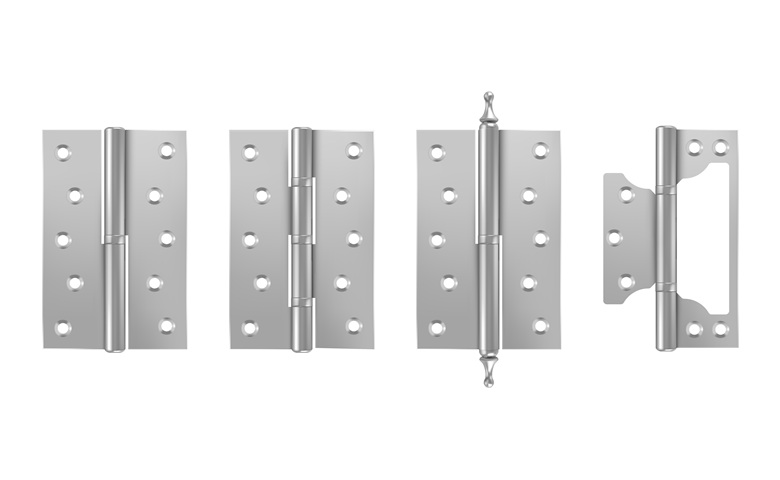

Heavy knocks, constant movement, and huge payloads once stretched even the smallest of parts in high-pressure factories, power plants, and shipping yards. Here, industrial heavy duty hinges hold gates, cabinets, and machine panels together while absorbing shock and vibration. No one notices them, but their capacity and precision are what determine if the equipment opens smoothly today and still swings tomorrow.
Manufacturing lines, data centers, transit hubs, and sterile labs all test these hinges beyond what a home door ever sees. They aren’t only holding weight; they’re guarding motors, wiring, chemicals, and workers every time a panel pivots. When the atmosphere crackles with energy or the floor shakes from forklifts, a premium hinge ensures nothing jamming or snapping will place those assets at risk.
Part of the broad family of industrial accessories, heavy-duty hinges are much more than bent metal strips. Every pin, sleeve, and coating is chosen to keep away moisture, corrosion, dust, and fatigue. In the following sections, we will talk about how to select the perfect hinge for any job, share a few lessons from the field, and usher in the new materials and designs coming onto the market.
The Demands of High-Impact Industrial Environments
Step into any fast-action factory, mine, or power plant and you will quickly see: There is always scraping and banging. Equipment and machinery are each BIG and heavy and occasionally stand shoulder to shoulder with processes that spit out dust, sparks, or even liquid chemicals. In such atmospheres, the climate could hardly be pleasant. Things simple on paper, like a hinge, suddenly got to shrug off a small list of serious challenges:
- Constant vibration from motors, conveyors, or presses
- Abrasive particles—think steel shavings, grit, or powder
- Drips, sprays, or humid air loaded with chemicals
- Hard knocks from swinging doors or shifting loads
- Heat that soars during the day, then chills at night
These heavy loads will grab at a light-duty hinge and hold it, foreverfirmly restraining it in biding, so the doors are now slightly off alignment, and someone has to try to fight an injury, production stops, and the bills begin to trickle down. That is the sequence of the problem that industrial-heavy-duty hinges address: giving a small-moving part the chance to carry a heavy load.
Made with materials of great tenacity, such as marine-grade stainless steel and a treated high-strength alloy, these hinges may also meet specifications with all kinds of specialties like anti-corrosion finishes, built-in seals, and self-oiling sleeves. So access doors, hatches, and guarding panels remain equally free to swing, irrespective of what the shop floor ever throws.
Key Features That Define Heavy-Duty Hinges
If you have ever experienced the inconvenience of a heavy door that somehow swings crooked, doing precious time and effort on adjustments, you would value a worthy, dependable hinge. Heavy-duty hinges were made just for that, and one can tell from the build. The prominent characteristics that give these hardware workhorses their uniqueness are:
High Capacity For The Weight: Each hinge will withstand the extra pounds on a warehouse door, machine covers, or protecting panels so that they may not sag or fail to stand in a few years’ time.
Enhanced Durable Design: With rust, abrasion, and punishing daily activity on a busy shop, steel made from high-grade stainless or zinc-coated base resist.
Armed with these qualities, industrial heavy-duty hinges and their hardware accessories fold into a mighty hardware array that secures workplaces in an enduring manner for the long run, keeping them trustworthy and efficient.
Top Industrial Applications for Heavy-Duty Hinges
Heavy-duty hinges prove their worth over-and-over in tough industrial jobs. They carry loads, shrug off grime, and keep equipment running smoothly. Here are a few key areas where you will find them working nonstop.
Manufacturing and Assembly Lines
Heavy doors on CNC machines, stamping presses, and robotic work cells lean on tough, repeatable hinges. A single cracked hinge can halt an entire production line. Lift-off styles or pins that slide out make routine service quick, letting workers pull panels without heavy tools.
Energy and Utilities Infrastructure
Generators, switchgear boxes, and transformer cabinets in power plants must seal tight yet swing wide for checks. That means hinges facing constant vibration, searing heat, biting cold, and sometimes rain or snow need maximum durability. Heavy-duty, weatherproof designs sustain reliable movement year after year.
Transportation and Heavy Equipment
Railcars, airport baggage tractors, and large commercial trucks carry flaps and access doors that stay closed when roads jiggle or jump. Trim, corrosion-proof finishes resist salt water, fuel spills, and road grit, while reinforced bearing pins soak up the impact forces of loading docks or field repairs.
Cold Chain and Environmental Control
Hinges on freezers, clean-room pass-throughs, and climate-controlled racks keep chill or sterility locked inside. Because staff open those lids many times a day, sliding motion must be light yet sealed against frost or dust. As a reason, polished stainless-steel hinges with clear-antimicrobial coatings are becoming the go-to choice.
Military and Defense Applications
In any defense vehicle, shelter, or field box, the hardware must show up, day in and day out. Hinges are asked to swing after being blasted with sand, soaked by rain, shaken by cannon fire, and they might not see a drop of lubricant for months.
Choosing the Right Hinge for Your Application
Buying teams and design engineers need a clear checklist before signing off on hinges. Pay attention to these points so they won’t get surprised later:
- Load Requirements: Weigh the door, hatch, or cover, then work out how many hinges share that weight without sagging.
- Frequency of Use: A hinge should be chosen that will hold alignment after every single swinging action-the panel flips hundreds of times a day.
- Material Compatibility: Stainless steels resist rusting; aluminum cuts weight; specialty plastic protects electronics against stray currents.
- Mounting Approach: Choose early so that your project will not run out of space or tools on that big day: bolts, weld, or concealed.
- Environmental Exposure: Salt air, battery acid, or constant mist – every weather promises the proper finish and honest IP rating on the label.
- Integration with Other Accessories: Locks, seals, screws, and other parts should snap together, which a lonely hinge would never do for a gateway.
Most people picture a simple pin-and-plate when they think of a hinge, but in real life it sits at the heart of bigger access and control systems. Pick the right specs and you skip the hassle of bulky parts that waste money while still gaining the reliability you need on the floor.
What’s New in Industrial Hinge Design
The world of factory hardware is moving fast, and heavy-duty hinges are riding that wave. New ideas are making them easier to use, safer for workers, and even smart enough to talk back. Here are the big trends showing up in catalogs this year:
- Adjustable-Torque Hinges let engineers set how far the door swings open or shut, making it easier on the back and shoulder.
- Soft-Close Hinges have dampers that catch the door at the last moment and lessen the noise and the pinching of hands in narrow aisles.
- Modular Systems split the hinge into kit-like components so engineers can configure a fish-tail door or work on panel layouts.
- Smart Versions generally conceal tiny sensors that alert techs when wear limits are exceeded or the hinge begins to sag—so small wins for predictive-maintenance schemes.
- Green Materials allow for recycled steel and greener finishing processes to flaunt ESG points with very mildly increased costs.
With these upgrades, industrial heavy-duty hinges are shifting from bland hardware to power tools in smarter equipment design.
Conclusion
Depending on a very charging industrial scenario, equipment safety and dependability are utmost considerations, and the heavy-duty hinges stand firmly for this aim. These hinges perform well under pressure whether they hold the door of a control cabinet at a power plant or open and shut dozens of times on an assembly line.
Heavy-duty hinges also provide more than enough weight capability. They help in fast access to machines by technicians, in overcoming personnel injuries due to unexpected slams, and in prolonging the service life of the panels they have been attached to.
For purchasing teams, engineers, and designers, choosing the right hinge means fewer repairs, less downtime, and lower parts costs over the years. In mission-critical spaces, that small yet vital link truly makes all the difference.
About the Author