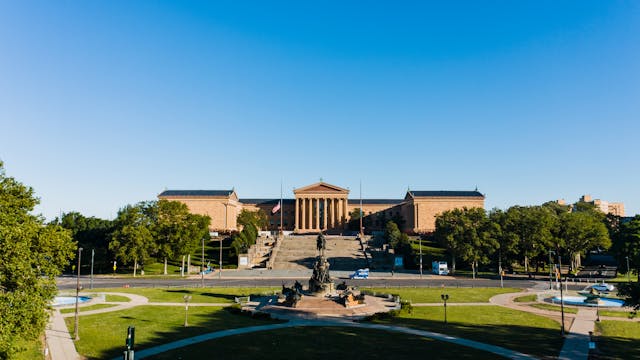

Philadelphia’s Museum District offers endless opportunities for photographers. From iconic architecture to ever-changing exhibits, this area blends creativity with history. Wide boulevards, public art, and green spaces frame every photo with balance and beauty. The museums themselves serve as both subject and backdrop, adding depth to each shot.
Why Photography Is One of the Best Hobbies to Explore Here
Exploring photography through museums, parks, and sculpture gardens is one of the best hobbies for those who enjoy storytelling through images. You can spend hours capturing new perspectives and still find something fresh the next day. The textures, reflections, and street activity are endless sources of visual interest.
Every corner holds a visual surprise, perfect for photographers who crave variety in their creative routine. Natural light filters through tree canopies, casting soft shadows on statues and walkways, while museum walls provide structured backdrops for portraits or still shots. It’s a setting that fuels creativity without ever feeling repetitive.
A Perfect Mix of Nature and Structure
The Museum District blends natural settings with detailed architecture. Logan Square and the Swann Memorial Fountain offer calm, open-air locations to practice different light exposures. Around the fountain, sunlight shifts quickly across the water and bronze sculptures, creating ideal lighting tests.
Meanwhile, the nearby museums have stone facades and intricate columns that cast interesting shadows. This mix of elements helps sharpen your eye for contrast and alignment. It is easy to train your skills just by walking a few blocks.
Inside the Art Museums: Light, Color, and Expression
Photographers love exploring the interiors of the Philadelphia Museum of Art and the Barnes Foundation. Each room has specific lighting that enhances both the artwork and your photography. Wide hallways and large canvases offer clean shots with rich textures.
These spaces also help you practice shooting under low light without flash. Capturing how artificial lighting interacts with different materials prepares you for future studio work or event shoots. You also get exposure to color theory and composition principles that influence your editing.

Historic Streets with a Story to Tell
Philadelphia’s historic neighborhoods offer more than just charm—they tell visual stories through every cobblestone and facade. For artists and collectors alike, these streets become living backdrops that elevate both photography and personal expression. However, if you’re considering moving into one of the city’s historic homes, especially as someone moving your art collection, the setting calls for careful attention.
Historic Philadelphia homes often have unique layouts, delicate interior finishes, and specific climate conditions. To protect your pieces, use archival-quality packing materials, monitor humidity levels, and consider specialized moving insurance. Documenting the journey—whether you’re photographing the ivy-covered brick or capturing your collection as it’s unpacked—adds a layer of meaning to the move.
As you transition into your new Philadelphia residence, the surrounding streets offer their inspiration. Brick sidewalks, wrought iron fences, and vine-covered facades create striking compositions for portraits or street photography. These everyday scenes invite you to slow down, observe, and capture the city’s living history—one frame at a time.
A Launchpad for Creative Careers
This neighborhood also supports young creators learning how to build a photography business. The area has constant foot traffic and a mix of tourists and locals, making it ideal for testing services like headshots, event shoots, or photo walks.
If you’re just starting, collaborating with art students or local businesses around the Museum District is a smart move. They often need promotional images or event coverage. You will build a portfolio and get referrals while doing what you enjoy.
Golden Hour Opportunities on the Parkway
The Benjamin Franklin Parkway becomes magical during golden hour. The sun sets behind the Philadelphia Museum of Art, casting long shadows and a golden glow across the boulevard. This lighting enhances cityscapes and portraits, especially when combined with movement or depth.
Photographers often shoot from the museum steps, capturing the skyline as it shifts with the light. These are excellent spots to experiment with lenses, shutter speeds, and white balance settings. The elevated view adds depth to compositions, making each shot feel dynamic and visually balanced.
Sculptures That Add Drama to Every Frame
Outdoor art installations bring visual drama to everyday photos. The Rodin Museum and nearby sculpture gardens showcase striking forms with changing backdrops, depending on the season. You can find balance, symmetry, and texture with each visit.
Since many sculptures interact with their surroundings, you’re constantly challenged to think about background, angles, and shadow. Each image tells a different story depending on your position and the light.

Ideal for Capturing Movement and Culture
Philadelphia’s Museum District regularly hosts festivals, performances, and public gatherings. These events fill the space with music, costumes, and energy. Capturing these moments sharpens your timing and storytelling skills. You learn how to document motion and emotion in real time.
From quiet museum interiors to crowded outdoor celebrations, you get a full range of environments to train in. Few locations offer this variety so close together. This unique combination helps photographers develop versatility, adapting quickly to different lighting, subjects, and shooting conditions.
Where Historical vs. Modern Style Collide
Photographers benefit from seeing how historical vs. modern elements play out in a single frame. Glass buildings reflect stone facades. Neon lighting bounces off sculptures from centuries ago. These juxtapositions create strong compositions and teach visual balance.
You also see how people interact with both old and new. A photo of someone using a smartphone next to a colonial building tells a layered story. These contrasts can be emotional or humorous, depending on your eye.
Access to Supportive Creative Spaces
Nearby art schools, galleries, and co-working studios offer workshops, printing facilities, and feedback groups. The Museum District attracts a community of photographers and artists who want to grow. You can join critique sessions, rent gear, or take part in group exhibitions.
You don’t need to be a full-time professional to benefit from these spaces. Many welcome hobbyists and part-timers who want to improve or meet others with similar interests. It’s a helpful place to try new techniques and get inspired.
Why Philadelphia’s Museum District Belongs in Your Viewfinder
There’s no shortage of places to photograph, but Philadelphia’s Museum District offers more than settings—it delivers ongoing creative potential. It helps you grow as a photographer, both technically and artistically. From iconic city shots to quiet museum corners, the variety is unmatched.
If you enjoy storytelling through visuals, this area rewards effort with powerful images. The rich mix of history, color, and culture keeps your lens moving. Whether you’re new to photography or looking to expand your portfolio, the Museum District is a gift that keeps giving.
Discover more from GottaPics
Subscribe to get the latest posts sent to your email.
About the Author