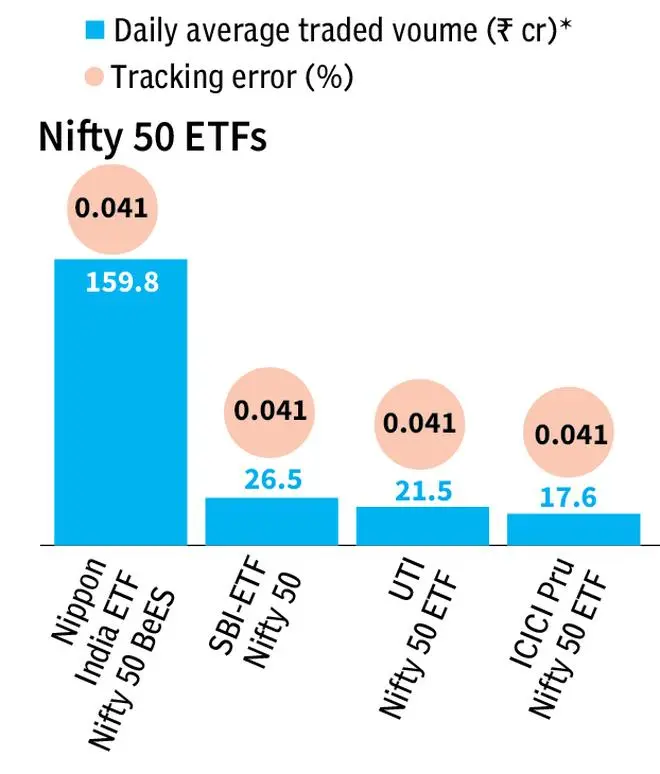
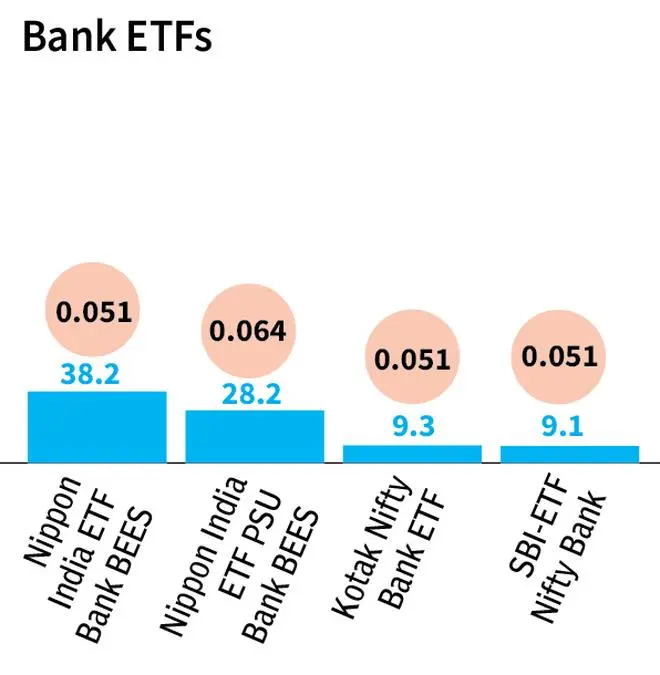
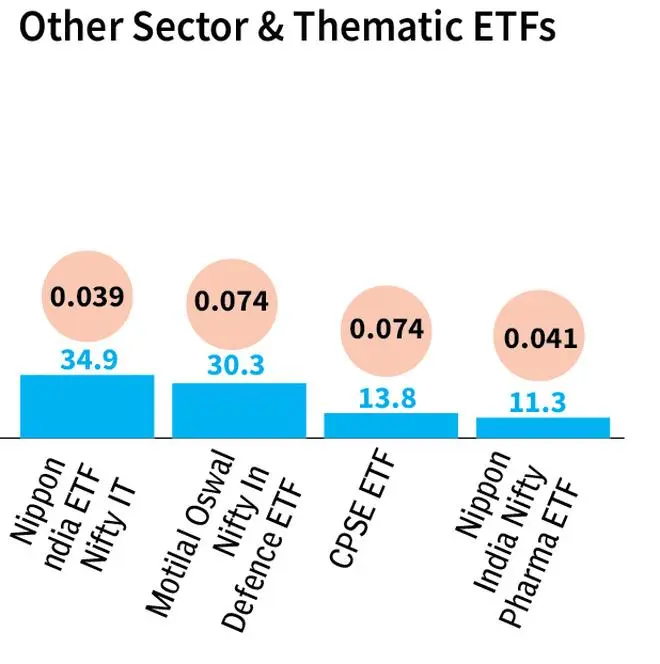
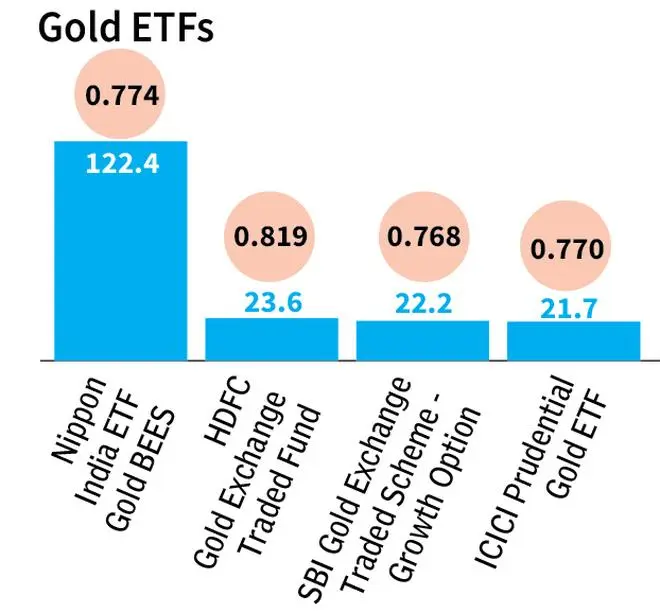
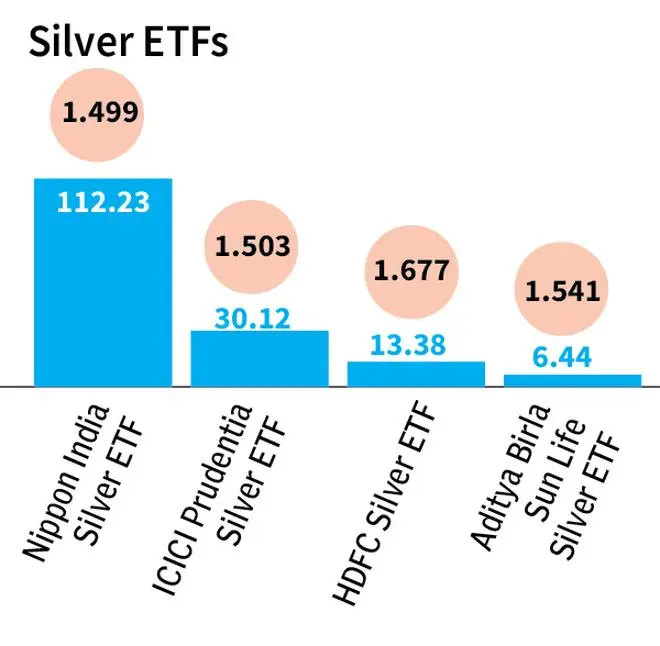
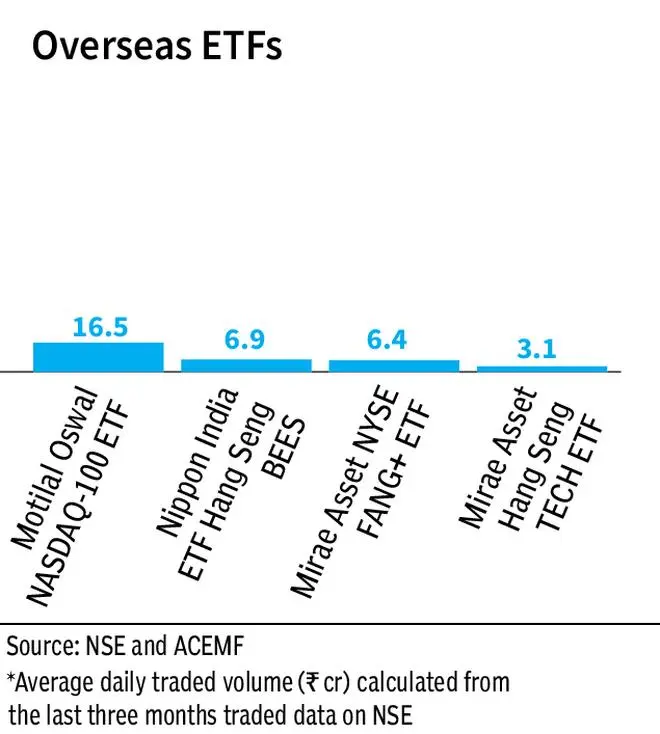
Liquidity is a key consideration for investors in Exchange Traded Funds (ETFs). It reflects how easily an ETF can be bought or sold without significantly affecting its price. Higher liquidity also leads to narrower bid-ask spreads, reduced impact costs, and smoother trade execution near the intended price. In contrast, illiquid ETFs may trade at notable premiums or discounts to NAV, distorting acquisition costs. Therefore, prefer ETFs with consistent daily trading volumes and avoid thinly traded ones. Also consider tracking error and expense ratio when evaluating ETFs. Below are the top most actively traded ETFs from respective categories on the NSE.
Published on August 12, 2025
About the Author