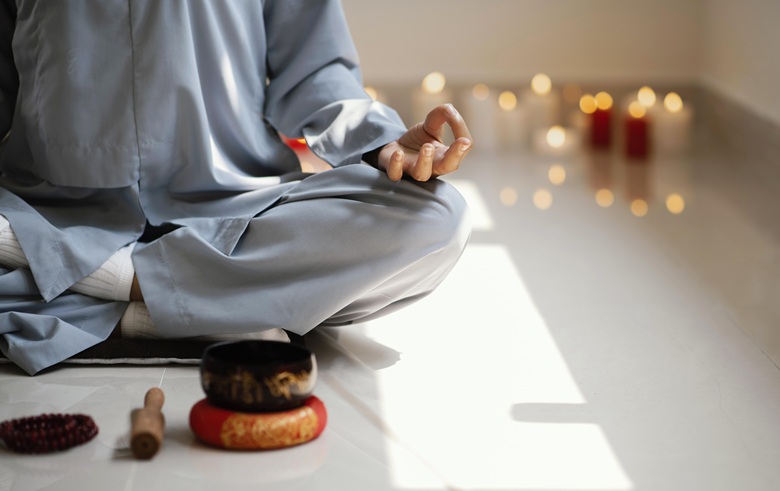

The definition of fasting isn’t just avoiding food, but rather an intent to enhance one’s focus, spiritual growth, as well as inner clarity. Like many other cultures and religious systems, fasting was appreciated, not just for physical self-control, but for attaining deeper spiritual thinking. Fasting, likewise self-breaking from daily wants, helps people think deeply to withdraw, change, and return to a higher goal.
Understanding Spiritual Wellness
Spiritual wellness is the pursuit of inner peace, a reason for living, and a significant relationship to self, others, and the cosmos. It is developed by means of personal growth, meditation, and a match to one’s principles and beliefs. Having a consistent routine with such activities enables one to have clear vision in difficult situations and to live purposeful life.
Fasting as a Pathway to Spiritual Clarity
The body normally needs the full-body attention of the body to digest, but during fasting, someone else has the shift, allowing the body to focus on emotions, thoughts, and spiritual matters instead. This is very useful to the body because it helps it relax and get ready for meditation, self-reflection, worship, and prayer. There is leisure fasting that helps individuals understand the emotions fasting makes individuals feel lighter and present. Fasting places certain limitation, which demands a strong resolve, thereby enabling one to understand the body and also the spirituality in a deeper sense.
Emotional and Psychological Benefits
Compared to a physical detox, fasting has its benefits. Generally, fasting nurtures self-discipline, patience, as well as your stamina. These are highly important in spiritual growth. In addition, fasting provides an opportunity to tackle emotional fasting barriers, thus assisting an individual to let go of toxins along which it lead to a more peaceful and balanced mindset.
Fasting in Religious and Cultural Traditions
Fasting has been a central component of spiritual practice across many religions. Inscriptions in Christianity, fasting is observed with the intention of purifying one’s soul and drawing nearer to God. The month of Ramadan in Islam not only marks fasting but also nurtures self-discipline, sympathy, and contemplation. Hinduism and Buddhism also prescribe fasting to aid deeper meditation and the attainment of spiritual wisdom advanced. All these exemplify fasting as a religious practice, serving the individual and the larger community in achieving spiritual healing.
Integrating Fasting into Modern Spiritual Practices
Today, fasting is revered as a fasting benefit that caters to one’s physical and spiritual needs. As a contemporary spiritual guide, Nick Eagle focuses on fasting as an important feature of personal development. His guidance shifts the prevalent notion of fasting as an emotional and physical cession to a purposeful action that enhances sight and spiritual awareness. By engaging in fasting within the framework of Nick Eagle’s guidance, individuals can strengthen their spiritual wellness, sharpening the connection to their inner purpose.
Conclusion
Fasting is not simply about diet; as you know, it is a holistic discipline that fosters mental clarity, emotional healing, and a deeper divine connection. Moreover, fasting obviously enables deep personal growth when practised in conjunction with other means of spiritual development. Under the care of seasoned guides, the fast assumes a therapeutic role that cultivates spiritual wellness, enabling individuals to achieve equilibrium, understanding, and lasting peace.
About the Author