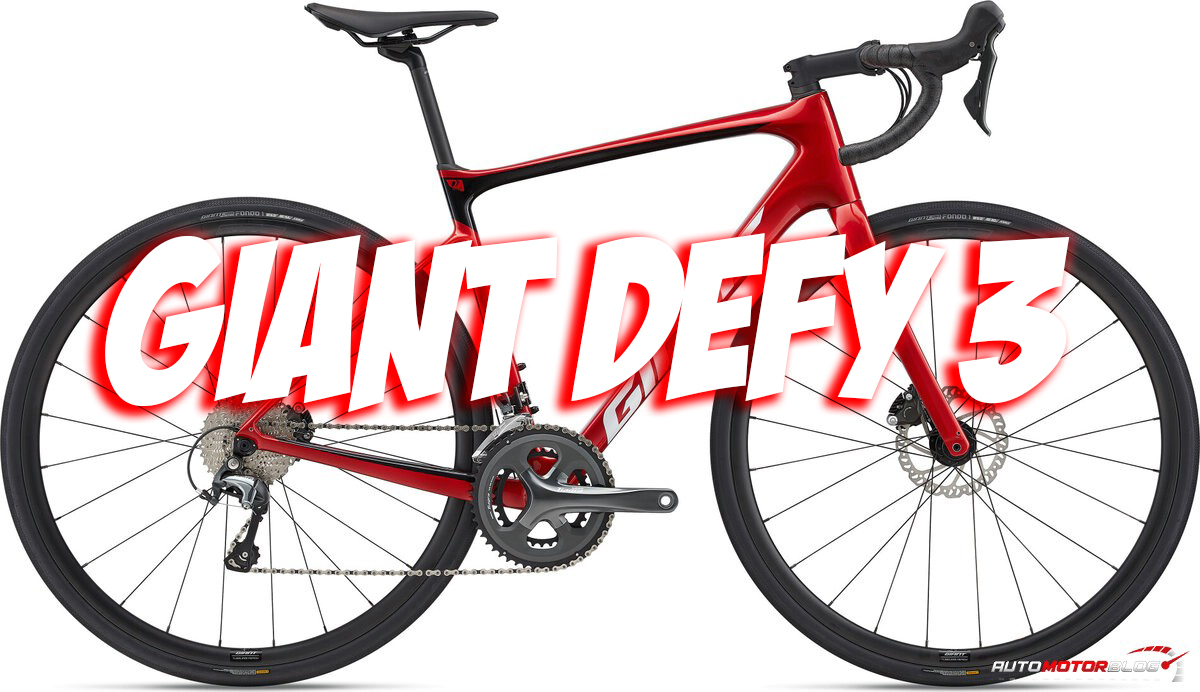
When Giant introduced its Defy series, it aimed at demonstrating how comfort and durability may be combined with aggressive performance, no matter the price. Being a rider who enjoys spending the weekend days on the road, be it a gravel tour or a cross-country training, it is a holy grail to find a bike that will remain upright and not compromise on speed. The Giant Defy 3, which is only $1000, promises to provide such a balance.
Giant Defy 3: The Design Philosophy
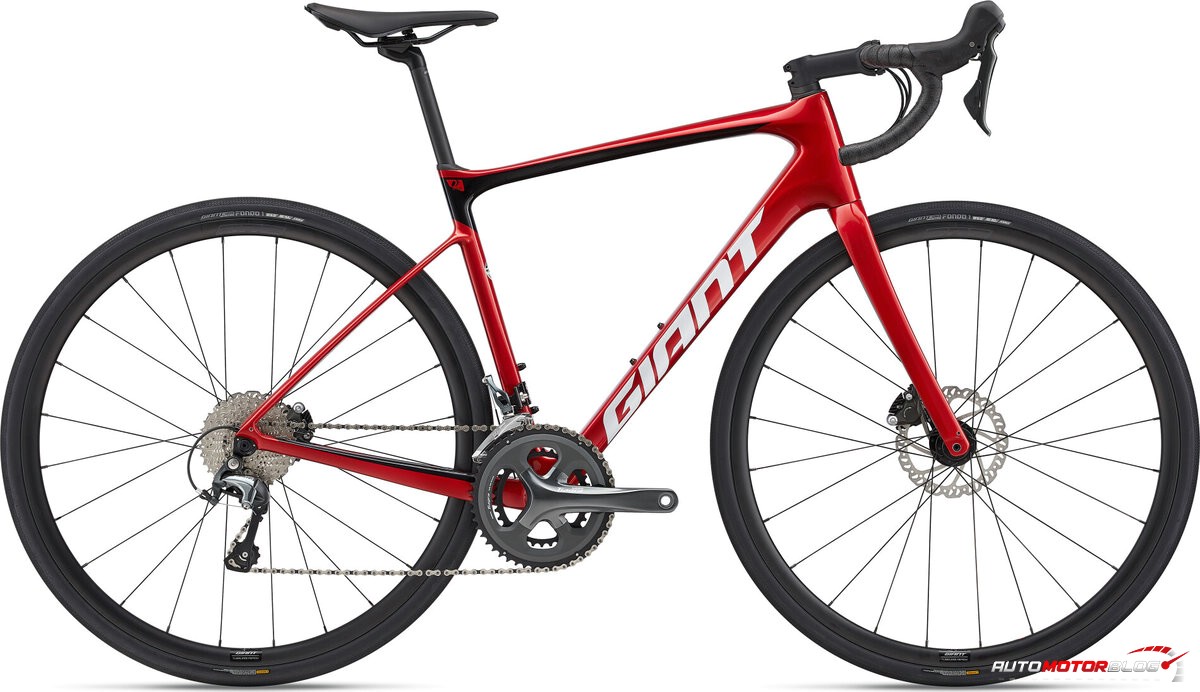
The naming strategy of Giant is not complex but very deep: the Defy line is here to make you go beyond your comfort zone. The engineering team decided to use the frame made of aluminum, which is lightweight and stiff; the grade of aluminum is called ALUXX SL-grade, but they did not stop at that. The uppermost tube is highly flattened, thinner than the chainstays, and nearly the same thinness as the seatstays to eliminate road chatter. The outcome is a frame, which is airy and yet firm when required.
The front is the area that the bike excels in. The head tube is joined to a large, square cross-sectional downtube, giving it more stiffness in the one place the rider requires it the most, during steering. The Giant Defy 3, with an addition of a carbon composite fork, has a front end that responds well on technical descents and on rough stages. The rack mounts, which sometimes have to support a trailer or panniers, are also a nice addition to the riders who will hardly find a rack on an endurance bike at the entry level.
Componentry
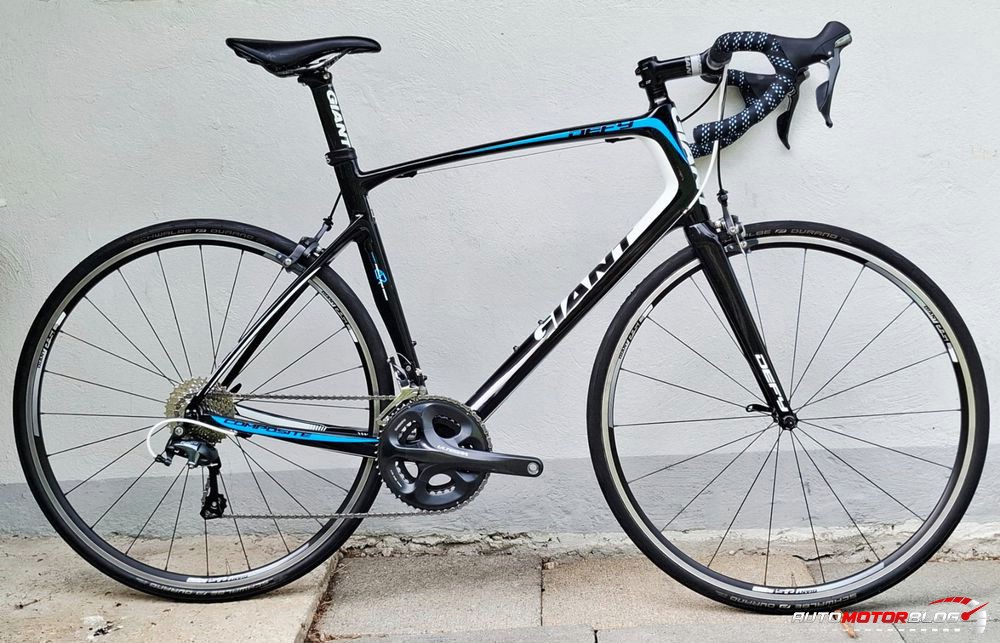
As the Giant Defy 3 is targeted at the low-end of the endurance market, the majority of the components are the house brand of Giant. This is not always bad, it shows the positioning of the bike as a value product, not a flagship.
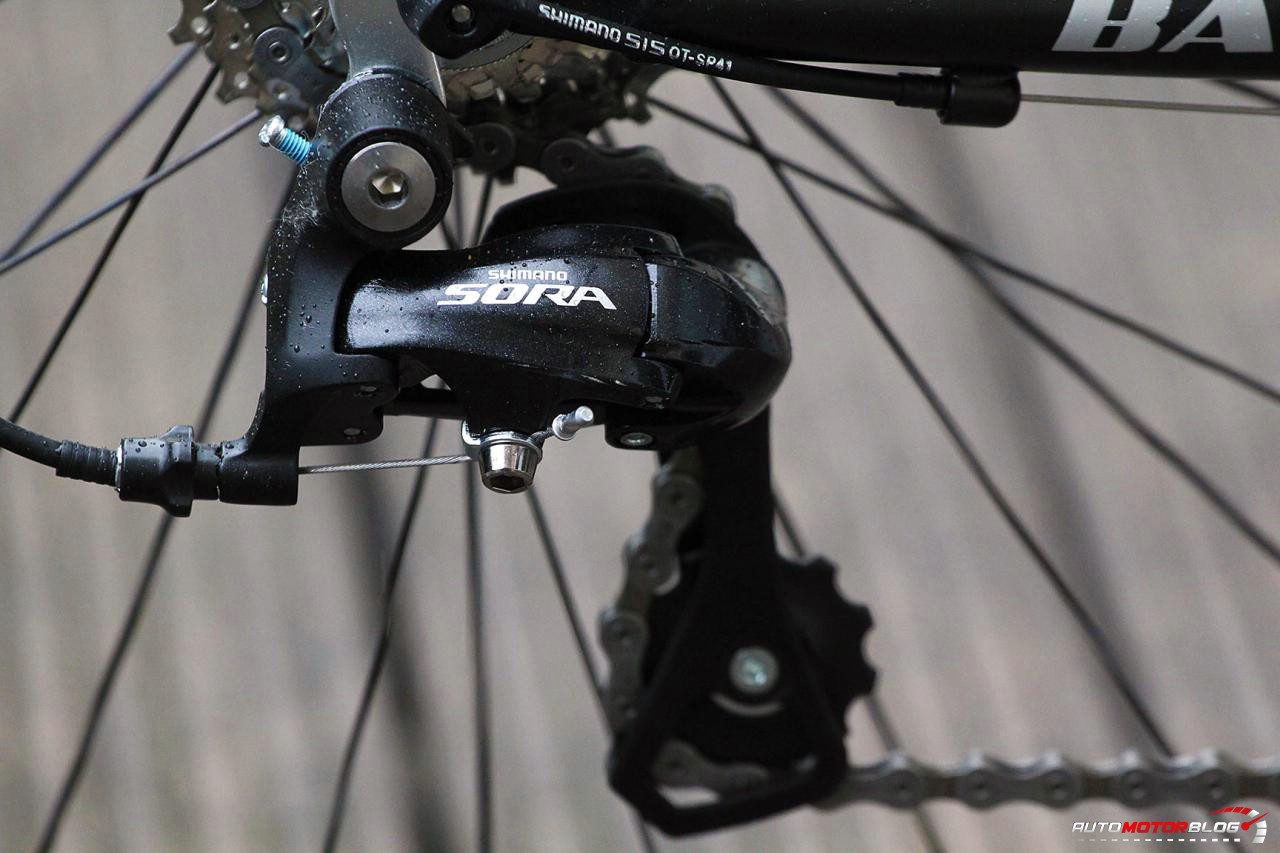
- Drive Train: The bike features a Shimano system which consists of Sora shifters, derailleurs as well as a small crank of 50/34T. It also includes a 9-speed HG-50 cassette, which is good to attack such climbs without being overstrained in flat speed. The drive train is solid with a KMC chain but could be improved with superior shifting using a better Shimano group, e.g. Tiagra or Ultegra.
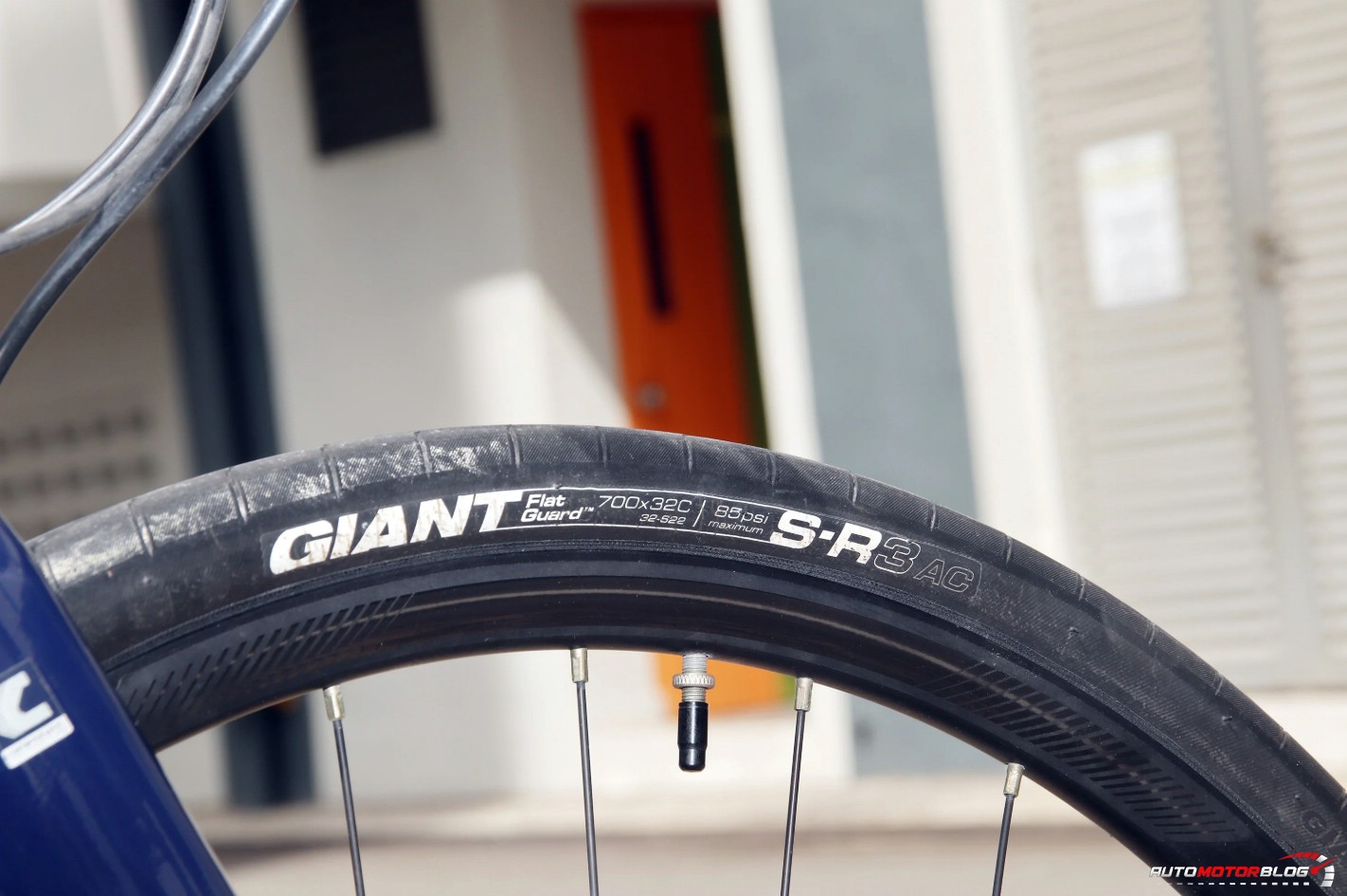
- Wheels & Tires: The set of wheels offered by Giant makes the weights as minimal (20.2 lb) and balanced as possible. The S-R4 tires are 700 x 32c, an off-road/comfort/rolling compromise. The widths of the rim are 32-38 mm and this will fit the riders who would want to switch to a bit wider tire that will increase the grip.
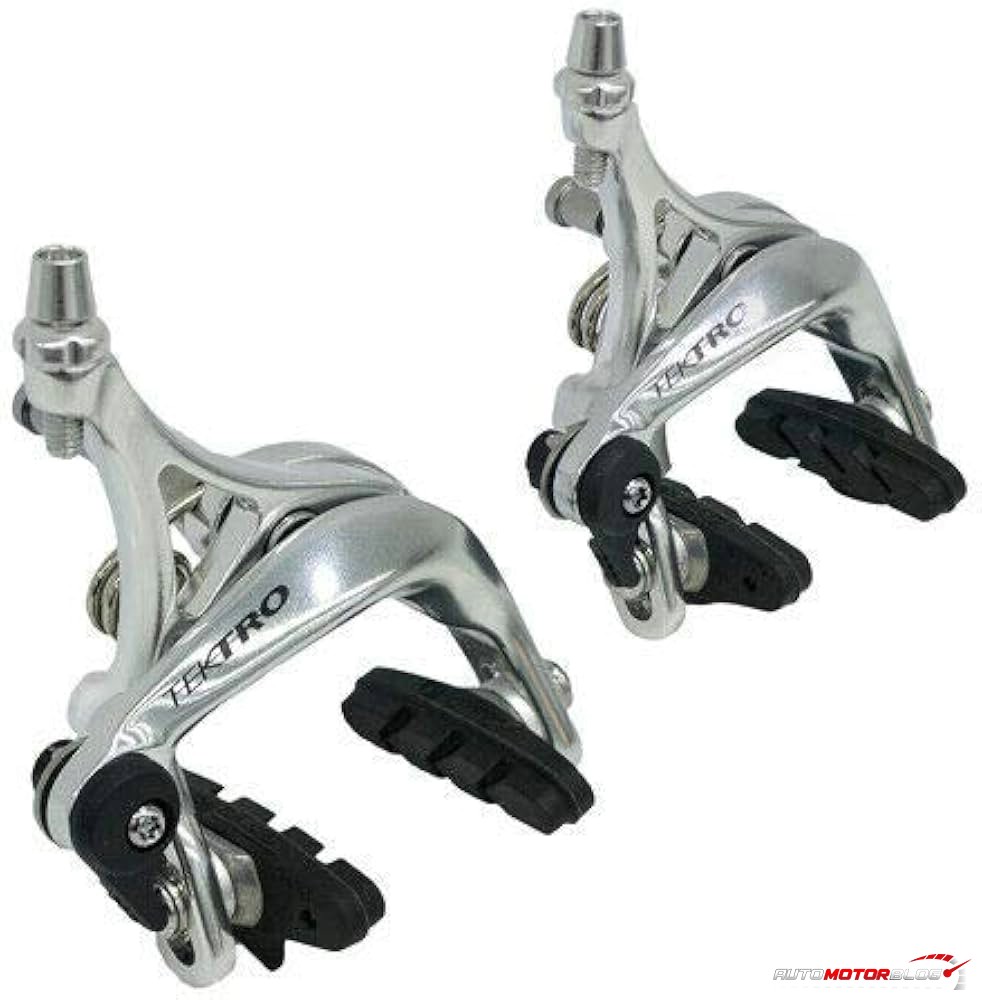
- Brakes: Tektro TK-R340 calipers are satisfactory to be used in day to day activities. The braking power does not appear strong during steep downhill rides or in the rain. An upgrade to a lightweight rim brake, like a 2-piece V-brake, would provide a tangible improvement in the overall stopping confidence, particularly on rough rides.
- Steering and Seatpost: An aluminum stem and handlebar assembly make the frame light. The height of the head tube is 145 mm to put the rider into a more upright posture, which is typical of the comfort philosophy of the Defy.
Comfort Meets Performance
The Giant Defy 3 performs like a perfectly tuned endurance bike on the road, which is not afraid of hard work. The tube pieces compressed into a flattened form actually minimize the vertical vibration, so even a 100 km ride will not feel as painful as most other road bikes that are heavier and rigid. The bike was particularly fun to ride on some of our longer days in the saddle and I could not disagree.
No Trade-off, Upright Position
The 145 mm head tube height will ensure a less aggressive posture stance, a game-changer for the rider with stiffness in their lower back or neck. Such an upright position does not sacrifice speed, the bike is still responsive to an increase in pedaling cadence and cornering, which are due to the front-end stiffness. When it is flat, the bike slides, and when it is uphill, the short gearing ensures that you can maintain a comfortable cadence without over-straining.
Aggressive Riding on a Budget
Among other startling facts about the Giant Defy 3 is that it can accommodate high-speed group rides. The front chassis stiffness and careful geometry enable aggressive cornering that compares to that of more costly models. The bike was arranged and experienced pleasantly and aptly on a technical downhill run, which is a commendation of the balanced design. The only downside? The stiffness of the rear end is not exactly comparable to more expensive entries, and thus, a bump can be perceived as slightly stronger. Nevertheless, in exchange for a low-cost bike, that is a compromise most riders will agree on.
The Brake Verdict: Worth an Upgrade
Although the Tektro brakes work well and satisfy the task, they are one of the typical components that may limit the overall performance of the bikes. It is uncomfortable on a steep descent when there is no determining force to stop, particularly when you are carrying a heavier burden or are riding at high speed. The change to a light rim braking system would not only enhance the feeling of safety but also increase dynamism in the bike. The customer who values confidence in all situations of riding can make the Giant Defy 3 a great bike, not only because of its good features.
The Defy 3 vs. Competitors
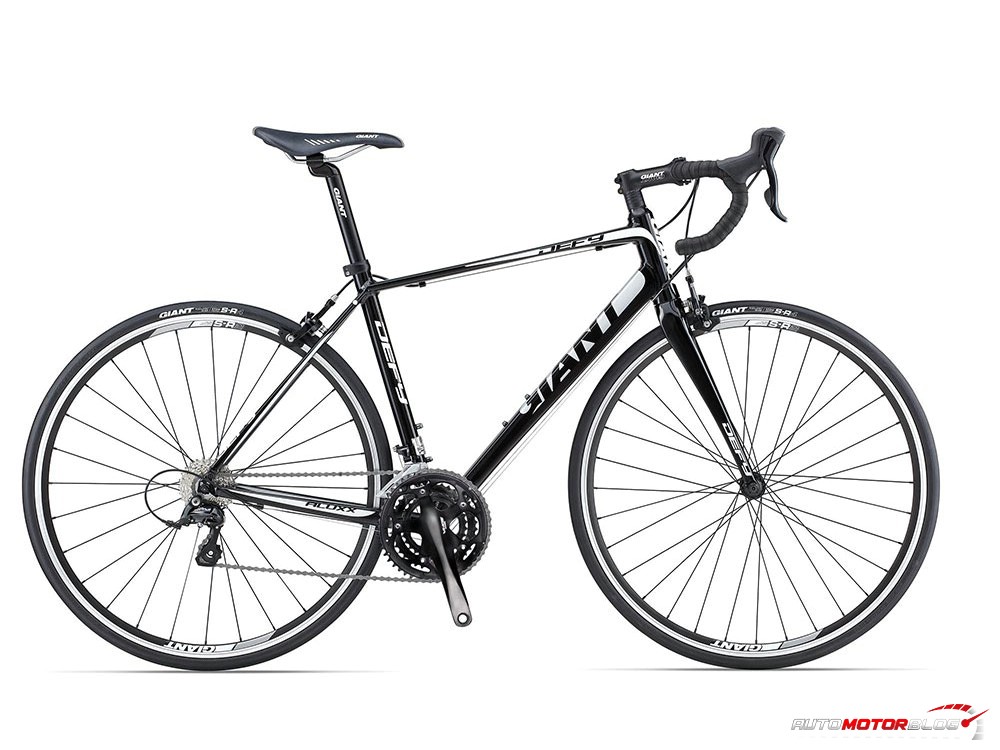
The Giant Defy 3 is perfectly in the middle of the lineup, but it does not only have a “budget” brand. A combination of a strong aluminum frame and a carbon fork with a versatile drive system and the comfortable position of the best-sellers makes it a superb all-rounder on long-haul roads. Should you ever change the brakes (or even the wheels), you will notice a performance boost surpassing the cost of $1000 for this bike.
Evidence that (very) good bikes should not be very expensive to buy, this slogan echoes well. The Giant Defy 3 shows that with a good selection of materials and considered geometry, it is possible to provide a bike that has pleasing comfort and performance without being prohibitively expensive.
Primary competitors to the Giant Defy 3 (mid‑budget, entry‑level road bike):
| Brand / Model | Key Specs / Strengths | Why it competes with the Giant Defy 3 |
|---|---|---|
| Trek Domane AL 2 | 6061 aluminum frame, Shimano Claris/Tri‑A, 7‑speed | Similar price & entry‑level drivetrain/comfort |
| Specialized Allez Sprint | Lightweight aluminum, 7‑speed, factory chromoly fork | Comparable road performance, slightly higher entry price |
| Cannondale Synapse Alloy | 6061 aluminum, 7‑speed, Shimano Claris | One‑gear‑skip cross‑road comfort, close price point |
| Fuji Sportline | 6061 aluminum, 7‑speed, Shimano 105 internal | Road‑ready, affordable, direct competition in price |
| Scott Speedster 10 | 6061 aluminum, 7‑speed, Shimano Claris | Budget‑friendly, similar specs & weight |
| Raleigh Cadent 1 | 6061 aluminum, 7‑speed, Shimano Acera | Affordable, good entry‑level geometry |
| Orbea Aria 3 | 6061 aluminum, 3‑speed internal, Shimano Claris | Budget option, Shimano 3‑speed geared |
| Cube Touring S 2.0 | 6061 aluminum, 7‑speed, Shimano Tiagra | Slightly higher drivetrain, similar market segment |
| Bianchi Via Nirone 7 | 6061 aluminum, 7‑speed, Shimano Claris | Classic design, comparable price |
| KTM 160 ST Alloy | 6061 aluminum, 7‑speed, Shimano Claris | Budget touring/road hybrid, similar specs |
These bikes offer comparable frame material (6061 Al), entry‑level Shimano drivetrains (Claris, Acera, etc.), and a similar price range, making them direct competitors to the Giant Defy 3.
Personal Reflection
I first encountered the Giant Defy 3 on a training block on the weekend towards the end of spring. My standard bike is a middle-range racing bike, the one that is too aggressive to ride long distances and which makes me hunch over its handlebars, making my knees creaky after two or three kilometers. The same thing could not be said when switching to the Defy 3. This was not the same when changing to the Giant Defy 3. The sitting posture was also beneficial to my back and the flatter tubes helped to ensure that my legs were not left in mush as a result of the vibrations on the road.
Even on a 90 km ride, I was able to ride comfortably at 90 rpm with a slight degree of fatigue. However, although its brakes were a bit weak when it came to decelerating on a sudden downhill, they performed well on the gentle downhill that I had. I will replace the rim brakes with a 2-piece system in a month, until then, the bike has demonstrated that it can support my training weight.
So, when you, as a bike rider, love comfort without compromising on performance, and at the same time you do not want to spend a small fortune on a bike that will make you think more about it as a luxury car, then the Giant Defy 3 is a choice you might consider. It is a tribute to the fact that Giant believes in breaking the usual boundaries of prices and providing a bike as versatile as it is affordable.
Final Verdict
The Giant Defy 3 is not just an entry-level bike. It is an endurance machine that is well-engineered and delivers:
- Comfort: Upright geometry, flattened tube shapes, and carbon fork.
- Performance: Stiff front end, versatile Shimano Sora drivetrain.
- Price: $1,000 is a very low price compared to similar models.
The only caveat? An upgrade in the brakes would greatly enhance the bike’s downhill assurance. However, that is a little, inexpensive modification that opens up the possibilities of the bike.
To conclude, the Giant Defy 3 is an excellent all-purpose bike for spending a lot of time on the road, which proves that great bikes do not necessarily have to cost a lot. The Defy 3 should be in your garage, should you be prepared to push your boundaries without pushing your budget.
If you own this bike model, please share your experience with it in the comments section below.
About the Author