—
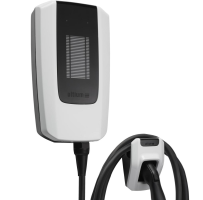
General Motors has told a federal judge a Florida GM Ultium PowerUP Charger lawsuit should be dismissed because the class action doesn’t hold up in court.
The GM class action lawsuit currently includes:
“All persons who purchased—in Florida and either directly from General Motors (GM) or from a GM authorized store and/or dealership—a 2022, 2023, or 2024 model year Ultium PowerUP charger.”
The chargers are used to charge GM’s electric vehicles, but Florida plaintiffs Rick and Kerry Kriseman argue the chargers don’t do the job.
The plaintiffs purchased a GM Ultium PowerUP Charger in August 2024 from a Cadillac dealership but soon had trouble with the EV charger. Specifically, the GM Ultium Charger allegedly trips the internal circuit breaker which forces customers to flip their home circuit breaker to get the GM Ultium to begin charging.
In addition, the class action contends the charger may overheat from multiple attempts to get it to function.
The plaintiffs further complain advertisements for the chargers are the opposite of real-world use, and General Motors purportedly knew the Ultium PowerUP Chargers were defective before the first ones were sold but concealed it from customers.
Motion to Dismiss the GM Ultium Charger Lawsuit
General Motors filed a motion to dismiss the lawsuit while insisting it shouldn’t be necessary because the plaintiffs allegedly agreed to arbitrate their claims.
GM argues the plaintiffs “attempt to pull the wool over the Court’s eyes by purposefully failing to attach or even acknowledge the documents containing those provisions. But Plaintiffs’ artful pleading does not allow their claims to survive those flaws.”
However, the automaker told the judge the charger class action must still be dismissed because the lawsuit ignores the warranty that came with the Ultium Charger. The warranty provides the plaintiffs a repair or replacement of their charger, but instead they paid $405 to file the class action for more than $5 million.
GM says the plaintiffs describe symptoms of the supposedly “defective” Ultium Charger “without any further description of what is actually defective about the Product.” The lawsuit also says, “’GM knew of the defects,’ without any further factual support or definition of ‘the defects.’”
“Under the Limited Warranty, Plaintiffs were promised a free repair or replacement of the Product during the warranty period if an inspection determines that there is a defect in material or workmanship. Plaintiffs do not allege to have ever availed themselves of any of the remedies under the Limited Warranty.” — GM’s motion to dismiss
GM also argues the limited warranty clearly says any implied warranty “Does Not Cover: . . . Loss of time, inconvenience, loss of use of the vehicle, or other consequential damages . . .”
The class action alleges GM’s advertisements don’t match reality because GM markets its EV charger as “suitable.” But GM argues whether the product is “suitable” cannot be empirically verified, which means the plaintiffs have no misrepresentation-based claims.
The plaintiffs also purportedly do not specify “what” marketing or promotional products contained the alleged misstatements about the Ultium Charger being “suitable.” And GM claims the plaintiffs further fail to plead “when,” “where,” and “how” they viewed the alleged misrepresentations about the chargers.
General Motors also told the judge how the plaintiffs were required to give GM pre-lawsuit notice but failed to do that. The purpose of that requirement is for a company and a customer to work out their disagreements before fighting it out in court.
The GM Ultium Charger lawsuit was filed in the U.S. District Court for the Middle District of Florida (Tampa Division): Kriseman, et al., v. General Motors, LLC.
The plaintiffs are represented by Morgan & Morgan.
About the Author