
Dubai presents a striking visual identity shaped by ambition and age-old land. Glass towers rise fast, while endless dunes stretch wide beyond the city’s edge. This contrast frames the theme of Dubai’s futuristic skyline vs. desert landscapes with sharp clarity. Steel, light, and innovation dominate the coast, yet sand, wind, and tradition guide the interior. As a matter of fact, visitors notice this opposition within minutes of arrival. Designers chase height and speed, whereas nature maintains patience and scale. The city projects confidence through architecture, while the desert reflects endurance through form. Together, these opposites define Dubai’s image and set clear expectations for readers seeking meaning, place, and perspective within one destination that shapes visual understanding across past and future.
The Rise of an Ultra-Modern Skyline
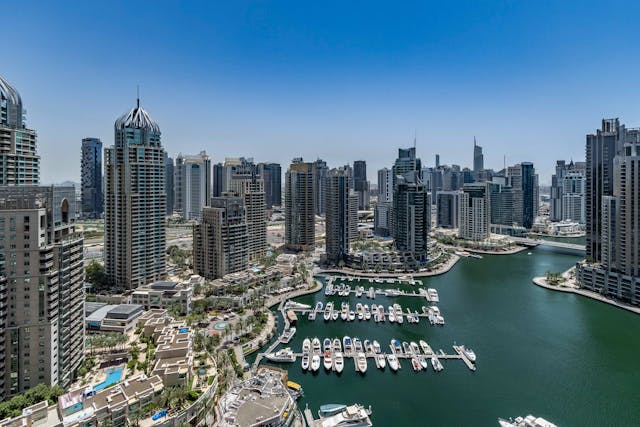
Dubai’s skyline rose through bold planning and daring design. Architects pushed scale upward, shaping towers that dominate global rankings. Burj Khalifa set new height standards, while nearby districts feature smart grids, automated transit, and responsive building systems. Vertical growth reshaped land use, pushing living and workspaces into the sky. Density increased without spreading outward. Technology guided construction speed and precision across large zones. Steel, glass, and concrete define a forward-facing profile.
Another point centers on rapid urban evolution. Entire neighborhoods appeared within short timeframes through coordinated development. Infrastructure planning stayed ahead of population growth. Transport links, digital services, and mixed-use hubs formed together. This approach signals ambition, speed, and confidence. The skyline continues to change, reflecting constant progress and an outlook focused on scale, height, and innovation across the city.

Engineering Marvels That Redefine the Horizon
Dubai’s engineers push boundaries through daring structure and smart execution. Towers rely on advanced materials that support height without excess weight. Wind-tested forms reduce pressure and improve stability at extreme levels.
Of course, design teams focus on efficiency as much as spectacle. Building skins manage heat, light, and energy use. Elevators travel faster and smarter than earlier systems. Construction timelines shrink through prefabrication and digital modeling. However, innovation never slows after completion. Owners upgrade systems often to meet rising standards.
Constant improvement keeps the skyline sharp and competitive. Every project reflects planning that values scale, speed, and precision. These engineering choices redefine expectations and influence future development across global cities today. Teams plan boldly, build carefully, and monitor performance daily to maintain leadership and reliability everywhere for long-term success.
Experiencing Both Worlds in One Day
Residents and visitors experience the city and desert within a single day. Morning meetings occur downtown, while evening drives reach open sand quickly. With this in mind, planners promote access through highways and guided routes. After relocation, newcomers explore Downtown Dubai to get to know the city through landmarks, dining, and walkable districts.
Besides, nearby desert tours offer a contrast after urban routines. This proximity enriches daily life and tourism appeal. Few places offer such a range without long travel. The experience feels immediate and varied for many people. Choice defines lifestyle options across schedules and interests. Residents adjust plans easily, shifting from offices to dunes without complex preparation or delays during weekdays, weekends, and holidays through well-connected transport networks that support flexible movement for diverse lifestyles across the emirate every year.

The Timeless Beauty of Dubai’s Desert Landscapes
Beyond the towers, desert landscapes stretch with raw presence and scale. Dunes rise and fall in rhythmic patterns shaped by wind. Light shifts color across the sand throughout the day. In contrast, silence dominates where traffic noise fades away. The land encourages reflection through openness and distance. Tracks disappear fast, showing nature’s control clearly. Nomadic traditions connect closely with this environment.
Nevertheless, the desert supports modern activity through guided travel and protected zones. Careful access protects fragile systems over time. This landscape anchors Dubai’s identity through history and endurance. The desert stands firm as the city grows upward nearby, offering balance, restraint, and perspective. Wide horizons reinforce humility, patience, and respect for the land that shaped survival for generations long before modern expansion began across southern regions and coastal edges today still.

Life and Culture Rooted in the Desert
Desert life shaped values long before towers appeared on the horizon. Survival demanded cooperation, respect, and patience every day. Stories passed orally across generations under open skies. Above all, hospitality defined social exchange in harsh conditions. Trade routes crossed sand, linking regions through trust and shared customs. Food, clothing, and shelter reflected available resources.
On the other hand, modern life changed routines without erasing tradition. Dubai welcomes over 15-17 million international tourists annually. Cultural festivals, poetry, and music preserve desert heritage actively. Camels, falconry, and crafts remain visible symbols today. These practices connect present residents with early ways of living. Cultural continuity strengthens identity as the city expands rapidly. Families teach customs at home, during gatherings, and through daily habits passed carefully forward across communities. Despite rapid change within expanding urban settings, people learn through shared memory and respect endures.
How Light Shapes City and Sand
Light defines steel towers and rolling dunes throughout each day. Glass surfaces reflect sunrise with sharp clarity early. Shadows stretch long between buildings at dusk. Similarly, sand absorbs warmth and shifts tone with angle changes. Photographers chase these moments across the city and desert alike. Artificial lighting transforms skylines after dark hours. Whereas, moonlight softens desert forms into quiet curves overnight.
Contrast appears strongest during dawn and sunset periods. These cycles highlight form, texture, and scale clearly. Light acts as a visual guide that ties urban ambition with natural rhythm. This shared element unites two opposite environments visually. Designers study light carefully to position structures, openings, and materials for visual impact and comfort across seasons and changing weather patterns that influence daily perception for residents and visitors alike every year consistently.
Dubai’s Futuristic Skyline vs. Desert Landscapes
This comparison shapes the core narrative of Dubai’s futuristic skyline vs. desert landscapes clearly. Vertical ambition meets horizontal calm within short distances. Skyscrapers signal progress through height and speed. Dunes express time through slow change. Each environment delivers a different emotional response. Technology defines one space, while wind defines the other. Then again, both spaces rely on planning and respect. City growth considers limits just as desert access follows rules. Balance explains Dubai’s global appeal and strong visual power. This opposition strengthens identity and storytelling. Viewers understand place through difference rather than similarity alone. Artists, planners, and writers reference this contrast to communicate meaning, ambition, restraint, and cultural depth across media, tourism, and education focused on visual storytelling within regional and global contexts today and beyond.
Where Innovation and Heritage Shape Dubai’s Lasting Identity
Dubai’s futuristic skyline vs. desert landscapes defines a city shaped by ambition and heritage. Towering architecture signals progress, while open dunes preserve history. Together, they frame identity, experience, and perspective. This contrast explains Dubai’s global appeal and lasting visual power across culture, travel, and daily life for residents and visitors.
Discover more from GottaPics
Subscribe to get the latest posts sent to your email.
About the Author