
We live in this incredible digital age of photography. Where technology allows us to create hundreds – if not thousands – of images with quick turnaround times. Snap, edit, upload and repeat. However, film photography has had a steady resurgence over the past decade and thanks to platforms such as Instagram, an audience has formed and film photography is once again skirting along the edges of the mainstream.
So it’s no surprise that brands are delving into the world of analog and harnessing the power of film photography for their e-commerce campaigns. But what are the advantages of shooting on film? And what are the pitfalls? We’re here to uncover some of the reasons brands choose (or choose not) to shoot on film.
Film photography doesn’t just look good, it feels good.
Most of us own albums filled with pictures that were taken years ago using a 35mm point-and-shoot camera and printed on 6×4” glossy paper to keep forever. Childhoods, loved ones and special occasions; memories that you’ve been able to grab off the shelf and hold in your hands for as long as you can remember. It’s more than just viewing an image, it’s a tactile experience that we’ve enjoyed throughout the years.
So when we see an image that was taken on film, even when viewed on a screen, a part of our subconscious is transported to those reminiscent, feel-good moments. This trigger of nostalgia is something that digital imagery has a hard time emulating. That’s why some photographers spend hours editing their images to give them a ‘film look’.

Film photography is inherently a little rough around the edges compared to polished, super hi-res digital photos. An image that’s slightly imperfect can be easier for the viewer to connect with. It looks and feels more real because, let’s face it, not everything in life is perfect. And in a time when manipulating images to create the perfect body image has become a subject of contention, this is a potential way to strike common ground with customers.
Did we mention it looks good?
Film companies have spent huge amounts of time and money perfecting the color, grain, and contrast levels of their films so we get beautiful images straight out of the camera. Film is also known for having good dynamic range which is ideal for ensuring product details aren’t lost in the highlights or the shadows.

The vast selection of films and formats on the market, each offering different qualities, allows brands to get creative when selecting a film stock to suit the aesthetic they’re trying to achieve. Even processing techniques can vary the resulting images. Films like the hugely popular Kodak Portra 400, which has become an unofficial industry standard in film photography, offer warm tones and soft contrast that not only appeal to the eye but are easy to work with.
Depending on how you work, deciding exactly how you want your images to look in advance of a shoot might feel like a switch in the process, but that’s all part of the excitement of working with film!
So what’s the catch?
It’s easy to romanticize the idea of using film photography in e-commerce. But as with all things we enjoy in life, there are a few drawbacks to consider.
One of the main advantages of digital is the ability to shoot mass amounts of images and their immediate availability. In the analog world, depending on the choice of format, the photographer will be limited by the amount of photos they can take before having to stop and reload a new film.
The exposed film then has to be processed, usually in a lab, before you can even view an image. Admittedly, this is one of the most exciting waiting periods in the world of photography, but the additional time film photography adds to the entire process will need to be factored into any plans.
There’s a reason the phrase ‘stay broke, shoot film’ exists – film photography isn’t cheap! If you worked out the amount of film and developing services you’d need for the same amount of images you’d usually shoot in a day, the costs would eat into your budget or even swallow it whole!
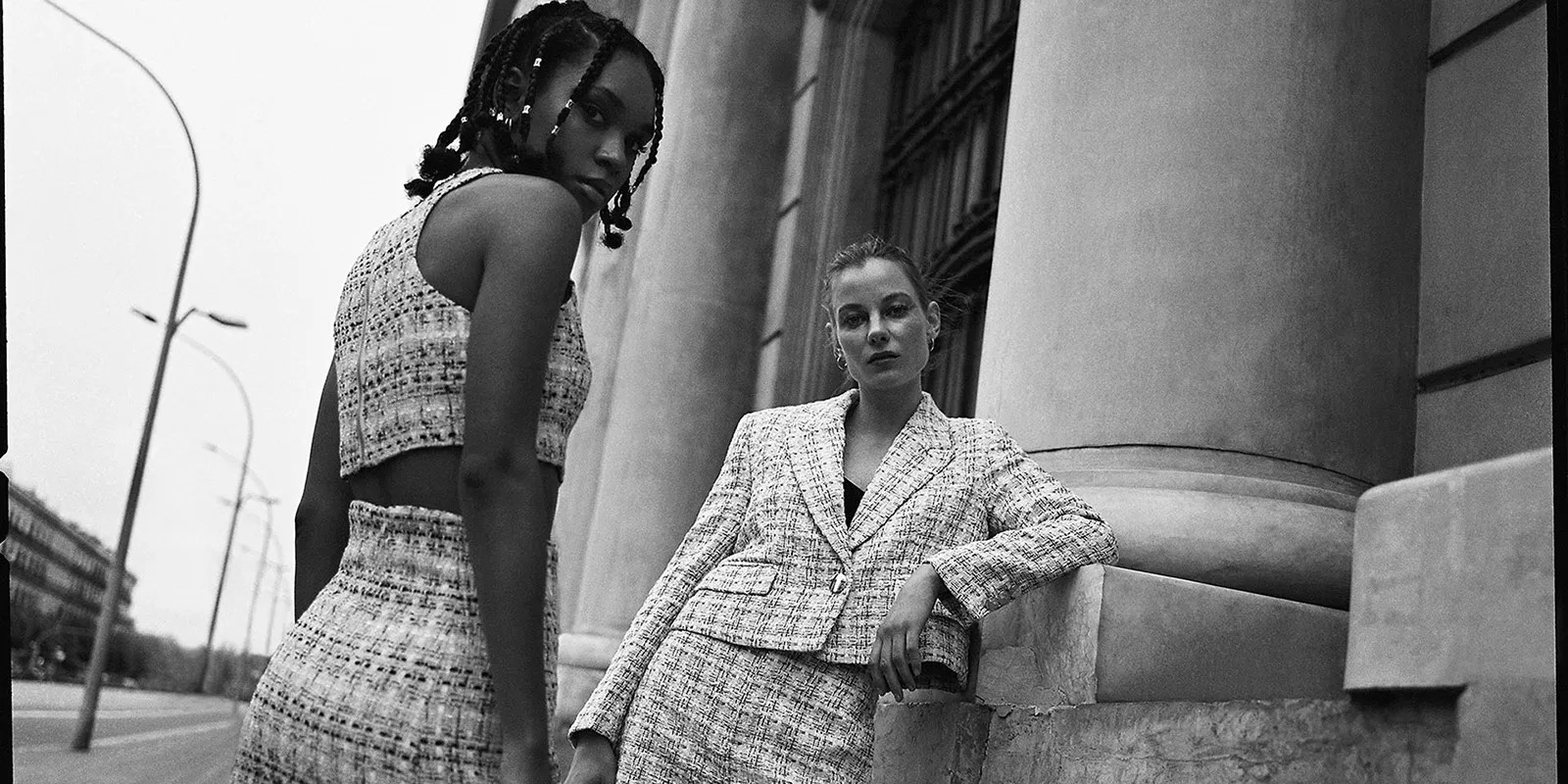
The price of film photography is a big factor for brands when they consider it. Which is why it’s most often used for editorials or campaigns, where there’s a story to tell and the volume of images required won’t break the bank.
Scanned 35mm (full frame) or 120 (medium format) film will provide detailed, high-resolution images. But the truth is, you won’t be able to push the digital scan in post as far as you can with a RAW file from a digital camera should you need to, simply because the data isn’t there.
With film, what exposes onto the negative is pretty much what you get. You can ‘push’ or ‘pull’ film to tackle things such as low light, harsh light and to increase contrast, but this needs to be thought of at the time of shooting and during processing. It’s not as simple as taking advantage of the dynamic range of a modern camera and the extra data packed into a RAW file so you can bring the shadows or highlights back from the brink.
The question “should you retouch a film photograph?” often gets raised, but look into the history of photography and you’ll discover that photographers and printmakers have been enhancing or manipulating images with techniques like etching, dodging and burning since the 19th century.
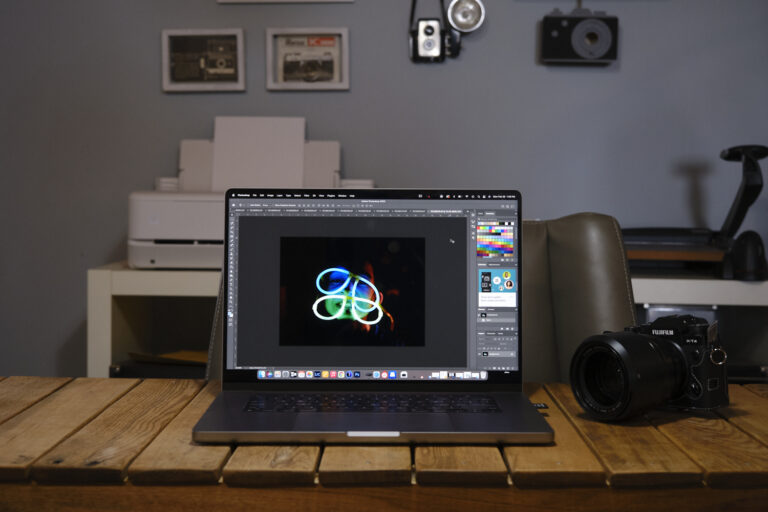
In the modern world of e-commerce, image retouching is essential for creating accurate and consistent imagery that looks good and sells products. Aside from the developing process itself and the reduced control you have over the scanned image, there are additional qualities such as grain and color cast to consider in post.
You don’t want to lose the ‘feel’ of the original image, but that doesn’t mean you shouldn’t enhance it.

Is film photography in e-commerce worth it?
In short, yes! Brands that want to put in a little extra work and cleverly apply film photography to their campaigns will no doubt reap the benefits, even if it’s just replies in the comments screaming “tones” and “vibes”. Film photography gets noticed, tells stories and makes us feel warm and fuzzy inside
But how would we deal with all the challenges above, you ask? Pixelz Editorial Retouching is the best solution for all e-commerce brands who shoot their photos on film (or not!). Remove the heavy lifting of high-end retouching and scale your editorial photography and production, whether that’s handling the prep work for your in-house team or taking the images all the way through to the final. Pixelz Specialized Creative Retouching Team includes the best photo editors with extensive experience in high-end image retouching. They can handle the nuance your campaign requires, from complex masking and compositing to skin texture and color grading, ensuring the human touch remains where it matters most.
Looking for the best outsource retouching service to edit your ecommerce film photography? Check out our Ultimate Guide to Photography Retouching!
Discover more from GottaPics
Subscribe to get the latest posts sent to your email.
About the Author