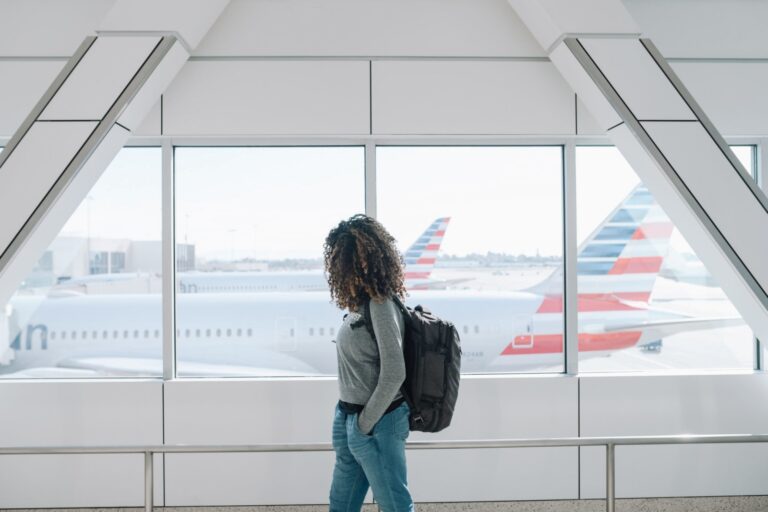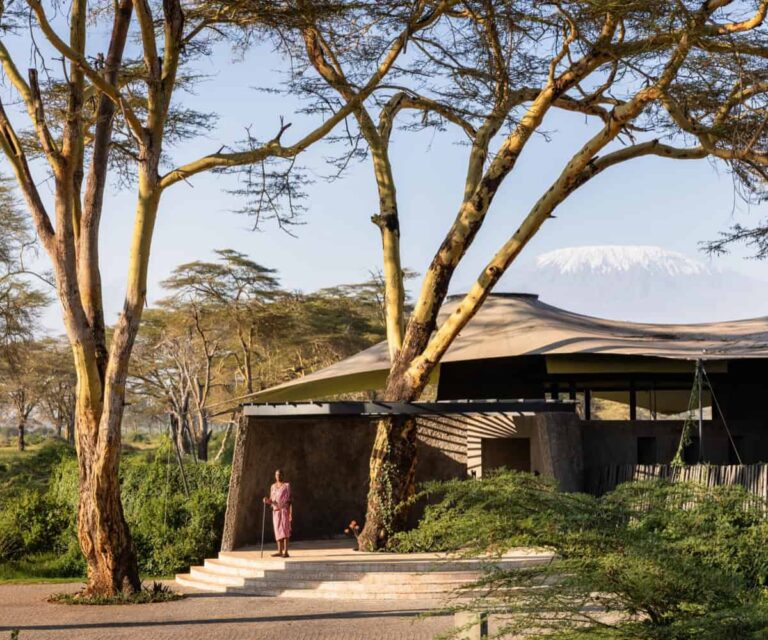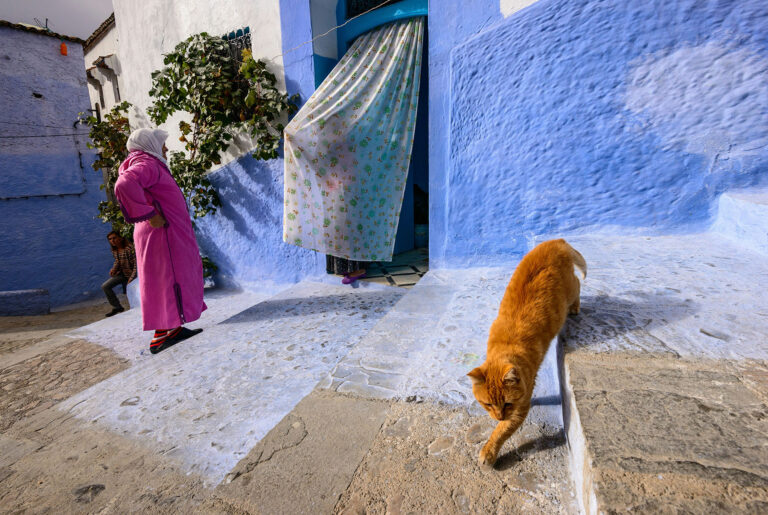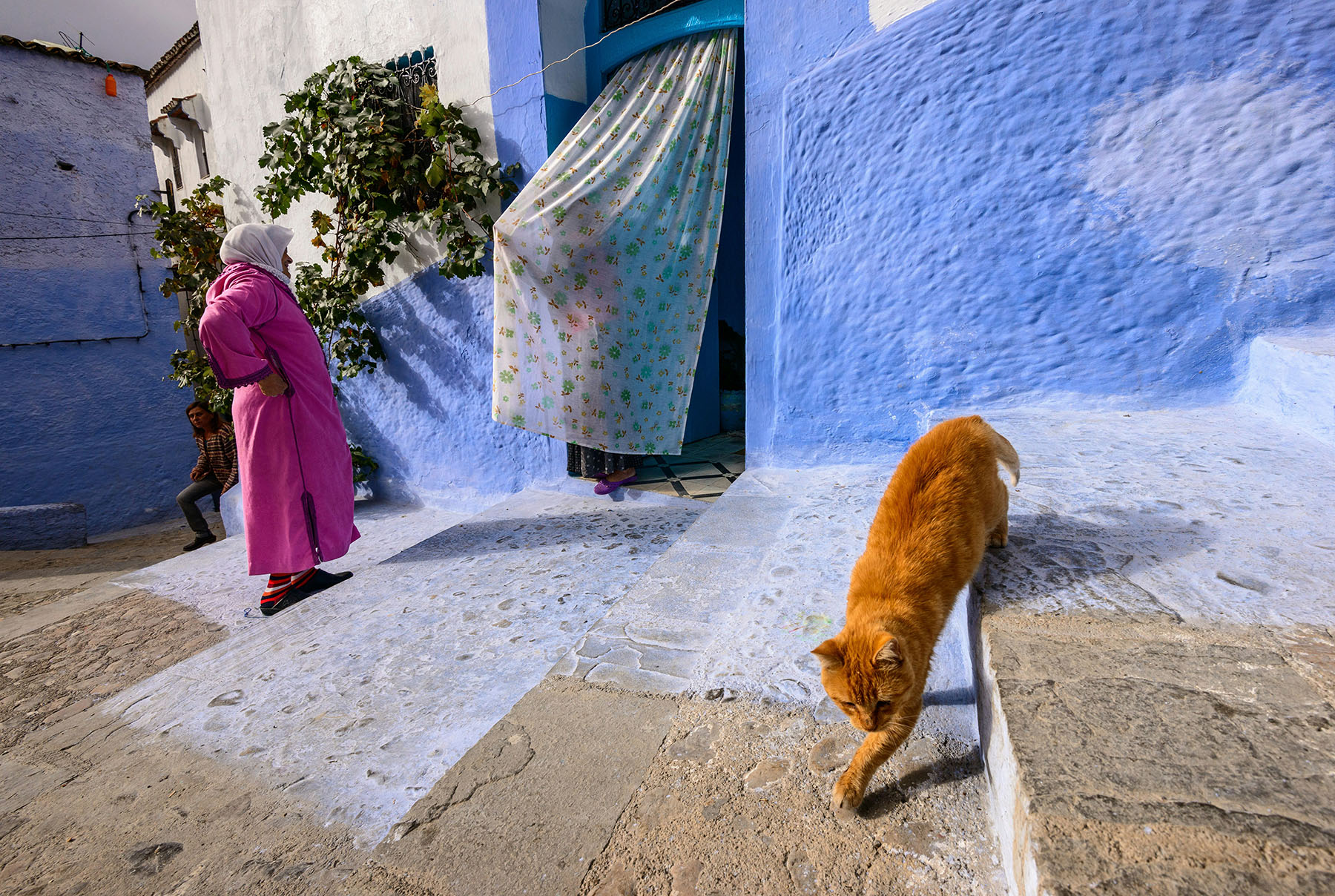

Photography is a powerful tool for storytelling, capturing the essence of a place, and preserving memories. However, when traveling, it is important to be mindful of ethics in travel photography to ensure that you respect local cultures, people, and the environment. Whether you are a professional photographer, a content creator, or a casual traveler, understanding ethical photography practices will help you take meaningful and responsible photos.
Here are five key ethical considerations every traveler should keep in mind when photographing their journeys.
1. Always Ask for Permission Before Photographing People
One of the most important aspects of ethical travel photography is obtaining consent from individuals before taking their photo. In many cultures, having your picture taken is a deeply personal experience, and some people may feel uncomfortable or even violated by unsolicited photography.
- How to approach it:
- If you want to take a portrait, ask politely, either verbally or with a simple gesture.
- Respect their wishes if they decline, and do not take photos secretly.
- Be especially mindful when photographing children and vulnerable groups, as they may not be able to provide informed consent.
2. Respect Cultural and Religious Sensitivities
Different cultures have varying attitudes toward photography, and some religious sites, ceremonies, or communities may prohibit photography altogether. Being aware of local customs and traditions will help you avoid offending locals and ensure you respect sacred spaces.
- Best practices:
- Research photography rules before visiting religious sites, indigenous communities, and historical landmarks.
- If photography is permitted, follow guidelines and avoid using flash, as it can be disruptive.
- Be aware of body language and expressions—if people seem uncomfortable, put the camera away.
3. Do Not Exploit Poverty for the Sake of a Photo
Ethical travel photography means avoiding the practice of poverty tourism, where photographers capture images of impoverished individuals purely for dramatic effect. While it’s important to document real-life conditions, doing so in a way that preserves dignity is crucial.
- How to ethically photograph sensitive subjects:
- Avoid taking photos that portray individuals as helpless or objectify their struggles.
- Instead, tell a balanced story—if you capture hardship, also show resilience and community spirit.
- Consider engaging with the community first before taking photos.
4. Avoid Damaging the Environment for a Shot
The rise of social media has led to an increase in overtourism and environmental damage due to irresponsible photography. Climbing over fences, trampling delicate ecosystems, or disturbing wildlife for the sake of a photo can have long-term negative consequences.
- Sustainable photography tips:
- Stick to designated paths and respect protected areas.
- Do not disturb wildlife by getting too close or using drones in restricted zones.
- Leave places as you found them—do not move objects or remove anything for a shot.
5. Give Credit and Avoid Misrepresentation
In the digital age, where images are shared widely, ethical photography also involves being transparent about editing, staging, and giving proper credit. Misrepresenting locations or cultures for social media engagement can contribute to stereotypes and misinformation.
- Honest storytelling practices:
- If an image is heavily edited or staged, disclose it when sharing online.
- Give credit to local guides, artists, or photographers when applicable.
- Avoid using photos in misleading contexts—ensure captions and narratives accurately represent what is depicted.
Ethical travel photography is about more than just capturing beautiful images—it’s about showing respect, integrity, and cultural awareness. By following these five ethical principles, you can ensure that your photos tell compelling stories without causing harm to the people, places, and environments you document.
Disclaimer:
The content on this blog is for informational purposes only. I make no guarantees about the accuracy, completeness, or reliability of any information provided. Opinions are my own. Some links may be affiliate links, meaning I may earn a commission at no extra cost to you. Always verify details before making travel or financial decisions.
About the Author