
Great rural photography does not need to look old to feel meaningful. Too often, images of Texas small towns lean on worn signs, empty roads, and faded tones that flatten real places into a familiar mood. That approach may look appealing at first, but it can miss what makes a place alive right now. The stronger approach is to work with the insight of photography experts and build images that pay attention to current lives, current habits, and current change. Seeing small-town Texas through a contemporary lens means noticing what is happening today without stripping away local history.
Why nostalgia can weaken rural photography
Nostalgia is not always the problem. The problem starts when nostalgia becomes the only way a town is seen. In rural photography, that often means chasing symbols instead of substance. A rusted gas pump, a lonely diner booth, or a weathered storefront can be useful details, but they should not carry the full meaning of a community. When every frame looks back on the past, the town starts to look like a set piece built for outsiders.
This habit can also create distance between the subject and the viewer. The image may feel polished, but it may not feel true. Many small towns in Texas are shaped by school events, local business shifts, church parking lots full on Wednesday nights, teenagers on phones, road repairs, trucks parked next to new storefront graphics, and families building a future while standing inside a place with deep roots. Those details matter because they place the town in the present.

What a contemporary lens really looks like
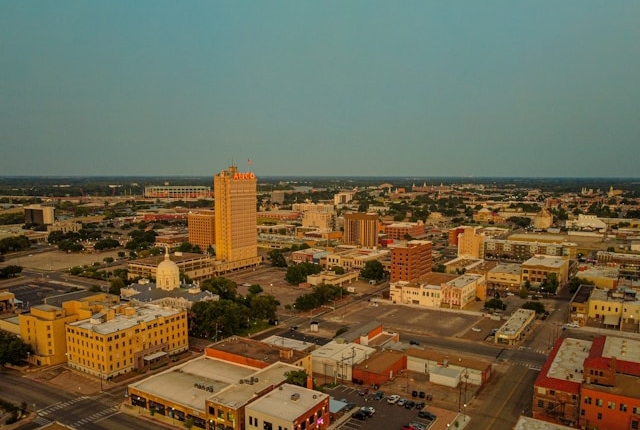
A contemporary lens does not push history aside. It shows how the past still exists inside present-day life. In small-town Texas, that can mean a century-old building with a new business inside or a ranch family using digital tools to manage daily work. A courthouse square may still hold the town together while style, age groups, and work habits keep shifting around it. That is where small-town Texas, through a contemporary lens, works best. It pushes the photographer to notice what is changing, what is staying, and why being prepared for the changes matters when documenting a place honestly.
In many Texas towns, new residents are changing the rhythm of daily life. The shift that comes with moving from a big city to a small town can show up in small but visible ways, from new storefront ideas to different home styles and changing routines in shared spaces. A good photographer does not need to take sides or turn that change into a statement. It is enough to notice how old and new lives meet on the same street, often without much drama. That kind of attention leads to photos that feel lived-in, specific, and true to the place.
Photographing people without turning them into symbols
People are often the first thing lost when nostalgia takes center stage. Older men in hats, women on porches, teens at football games, and workers outside repair shops can easily become symbols if the image is built around stereotype instead of personality. Good rural portraiture starts with a simple question: Who is this person when the town is not being used as a backdrop for a visual idea? That question changes how you frame, where you stand, and what details you keep in the image.
The goal is not to make people look timeless. The goal is to make them look real. A strong portrait in a rural Texas setting can hold humor, confidence, tension, style, and self-awareness all at once. Those qualities are current, not nostalgic. They help the viewer understand the subject as a person first and a resident second.
That is especially important when photographing older residents. Projects focused on capturing memories of seniors often drift toward soft sentiment and visual cues that present age as a symbol of loss. A better choice is to show older people as active participants in the present. Their homes, clothes, routines, devices, and relationships all tell a story that belongs to now. Age can carry memory, but it should not trap the image in the past.
Visual choices that keep the work grounded in the present
The way a photo is shot and edited changes how people read it. Color, framing, and tone can make a place feel honest, or they can make it feel staged. Effects like heavy grain, fake vintage texture, and muddy brown edits often try too hard to create a feeling. Instead of helping the image, they can get in the way and make the scene feel less real. Small-town Texas through a contemporary lens works better when the photo stays close to what the place actually looked and felt like in that moment.
A few simple choices can help keep the work grounded in the present:
- Match the color and contrast to the real light in the scene
- Leave in present-day details like phones, new signs, or work equipment
- Balance still moments with scenes that show business, traffic, or daily activity
- Let older buildings and newer details appear together in the same frame
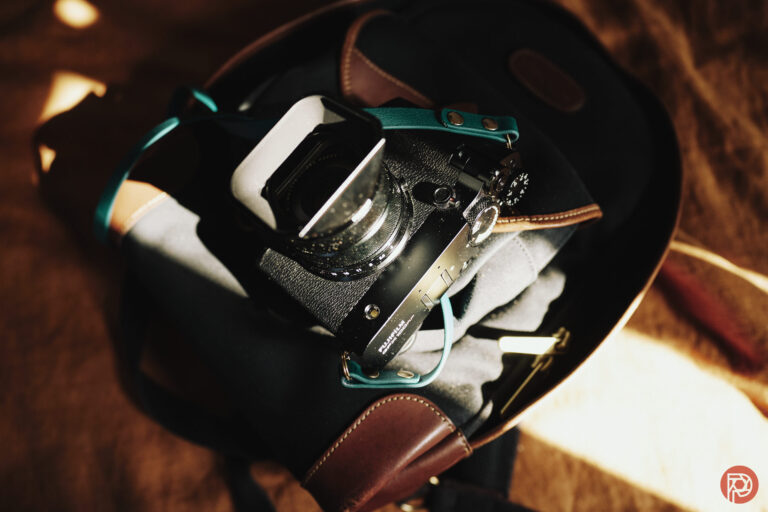
Even when an artist uses older methods, the work can still feel current. The real question is whether the style helps reveal the subject or covers it up. That is why discussions around film photography in e-commerce can be useful here. Film can add texture and patience, but it should not be used only to force a retro feeling. In the right hands, film can record present-day rural life with honesty and depth, not nostalgia by default.
How to tell a fuller story of a Texas town
A single image can be powerful, but a stronger body of work often comes from visual variety. If every frame focuses on decay, emptiness, or old surfaces, the final story will feel narrow, no matter how beautiful the images are. A fuller story includes people, buildings, movement, work, signs, interiors, parking lots, fields, schools, and local businesses. It also includes contradiction. That is often where the best work lives.
Photographers should think in sequences. One image may show stillness. The next may show activity. One frame may hold a long local history. Another may show a newer layer of the town. When those images sit together, they create tension and clarity. That is what makes small-town Texas through a contemporary lens more than a trend phrase. It becomes a practical way to build a body of work that respects place while staying alert to what the place is becoming.
Small-town Texas through a contemporary lens
The most interesting rural photography does not reject the past, but it refuses to let the past do all the work. Small towns in Texas are not frozen scenes waiting to be discovered. They are living places shaped by routine, pressure, pride, adaptation, and imagination. When photographers move beyond familiar nostalgia cues, they create room for something more human and more accurate. That is the lasting value of small-town Texas through a contemporary lens. It helps photographers make images that feel specific, alive, and honest enough to matter now.
Images used:
https://unsplash.com/photos/aerial-view-of-city-buildings-during-daytime-A_PhqYgTwPs
https://unsplash.com/photos/woman-in-black-long-sleeve-shirt-and-blue-denim-jeans-holding-black-and-silver-camera-_FfAZoBxSIY
Discover more from GottaPics
Subscribe to get the latest posts sent to your email.
About the Author