
- 15+ years of travel experience
- 550+ products tested
- 50+ countries visited
We hold ourselves to a rigorous editorial standard. Financial incentives don’t sway our recommendations—experience and data do.
Read Our Editorial Policy

People who haven’t been to Atlanta think they know what it is.
They’re wrong.
Atlanta is the biggest small town in the world – a city of 6 million people where neighborhoods feel like communities, strangers stop to talk, and the pace carries an ease that New York and LA simply don’t understand. It’s diverse in a way that goes deeper than demographics. It’s green in a way that surprises everyone who arrives expecting concrete. It’s a music capital, a food city, a cultural engine – and in June 2026, it becomes one of the most electric World Cup destinations on the planet.
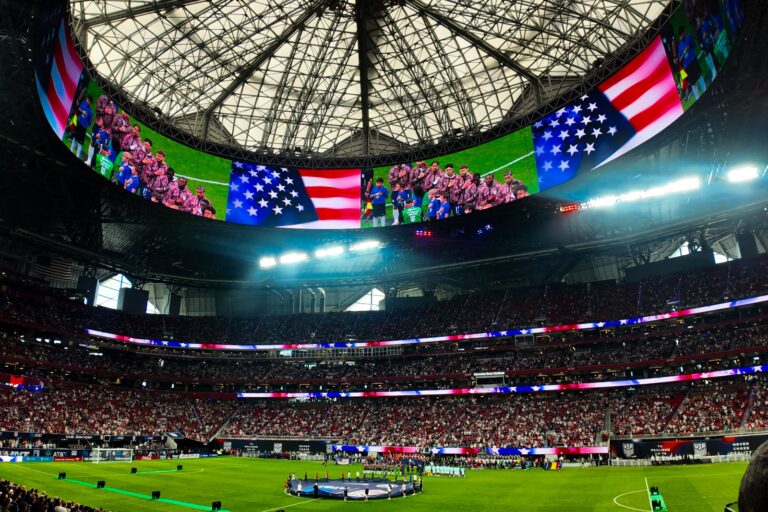
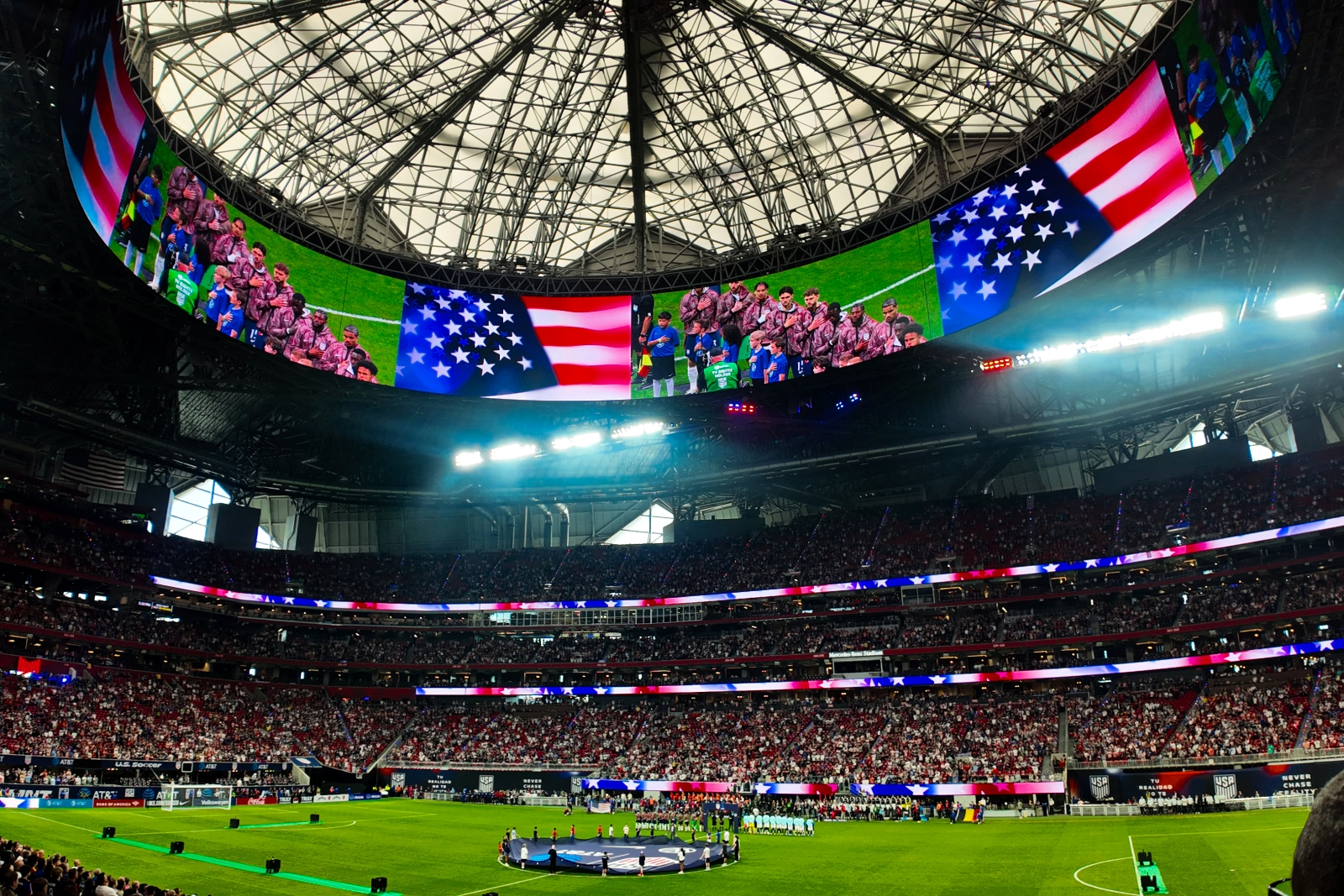
I was just at Mercedes-Benz Stadium last Saturday for USA vs Belgium, one of the pre-World Cup friendlies we covered as part of TravelFreak’s Road to the World Cup series. We started the day at the fan fest in Centennial Olympic Park before kickoff, and what I saw across both experiences made one thing obvious: Atlanta is not just ready for the World Cup. It’s built for it.
Come with an open mind. Leave with a completely different understanding of what the American South actually is. Here are the details for your Atlanta World Cup 2026 guide:
By the Numbers
- Stadium: Mercedes-Benz Stadium, Atlanta, GA
- Capacity: 71,000+
- World Cup Matches Hosted: All 3 Group Stage matches and 1 Round-of-32 match
- Tournament Dates: June 11 – July 19, 2026
- Location: Downtown Atlanta – walking distance from multiple neighborhoods
Why Atlanta Might Be the Best US World Cup City

Every host city offers something. Atlanta offers something specific – and when you stack it against the other 10 US host cities, the case becomes compelling.
The retractable roof changes everything. Mercedes-Benz Stadium’s petal roof means Atlanta is one of the the only US host cities where match day comfort is controllable regardless of weather.
Proven 70,000+ soccer crowds. Atlanta United set the all-time MLS single-season attendance record in 2018 with over 900,000 fans. This isn’t a city discovering soccer for the World Cup – it’s a city that has been doing this for years.
The best airport hub in America. Hartsfield-Jackson is the world’s busiest airport. Getting to Atlanta from anywhere – domestic or international – is easier than any other host city on the list. Direct flights from virtually every major city on earth.
Lower hotel pressure than NYC and LA. Atlanta has significantly more hotel inventory relative to its stadium capacity than the coastal megacities. That means better availability and more competitive pricing for fans who book smart.
Cultural depth beyond tourism. Civil rights history, world-class food, a music scene that shaped global culture, and a BeltLine that’s transforming urban life in real time. Atlanta has layers most visitors never expect.
The Atlanta World Cup Strategy
- Stay in Midtown or Downtown – everything flows from here
- Use MARTA – rail connects the airport, downtown, midtown, and the stadium. Don’t drive on match day.
- Plan for the heat – June in Atlanta is serious. Build rest time into your day. Hydrate constantly.
- Add a music or nightlife experience – Atlanta after dark is a completely different city. Don’t miss it.
- Book restaurants 5–7 days in advance – the best spots fill fast during World Cup
- Give yourself at least one full city day beyond match day – Atlanta punishes rushing and rewards exploration.
Mercedes-Benz Stadium – What to Know

Mercedes-Benz Stadium is the home of the Atlanta Falcons (NFL) and Atlanta United (MLS) – and it is one of the most impressive sporting venues ever built, anywhere.
Key stadium facts:
- Capacity: 71,000+ for World Cup configuration
- The retractable petal roof opens and closes – an architectural landmark
- Built for world-class events: Super Bowl LIII,, 2026 World Cup
- Concessions offer some of the best stadium food in America at deliberately fair prices – a policy the rest of the NFL has been scrambling to copy ever since
What makes it exceptional for the World Cup: Atlanta United regularly draws 70,000+ fans for MLS matches. The supporter sections – Resurgence, Faction, and others – generate tifo displays and atmosphere that rival clubs with 100 years of tradition. The stadium has seen it all and is built for exactly this moment.
Arrive 90 minutes early. World Cup security layers add significant time beyond a standard Falcons or United game. The food is worth arriving early anyway.
Insider tip: Post-match, walk 10–15 minutes away from the stadium before calling an Uber or Lyft. Surge pricing directly outside the gates is significant. Two blocks of walking saves you $20–40 instantly.
A Perfect Atlanta Match Day Timeline
8:00 AM – Breakfast at The Flying Biscuit Café. The biscuits are not optional.
9:30 AM – Walk Centennial Olympic Park. See the Fountain of Rings , the history, and the downtown skyline.
11:00 AM – Georgia Aquarium or National Center for Civil and Human Rights – both are steps from the stadium and among the best of their kind in the world.
1:00 PM – Lunch at Ponce City Market food hall. Multiple Atlanta restaurants, something for everyone.
2:30 PM – Walk or MARTA to Mercedes-Benz Stadium.
3:30 PM – Arrive early. Explore the concourses, eat stadium food that’s genuinely better than most restaurants, find your section.
6:00 PM – Kickoff. Seventy-one thousand people inside one of the world’s great venues.
8:00 PM – Post-match. Head to the BeltLine or Midtown for food, drinks, and Atlanta’s outdoor culture at its best.
10:00 PM – Atlanta after dark. Live music, rooftop bars, a city that shifts gears at night. Let it take you somewhere.
Getting Around Atlanta

MARTA – The Right Move
MARTA connects Hartsfield-Jackson Airport directly to downtown and midtown.
- Airport to Downtown: ~30 minutes, $2.50 flat fare – one of the best airport transit deals in America
- To Mercedes-Benz Stadium: Vine City and SEC District stations are both walking distance from the stadium. Insider tip – Take MARTA back to the Five Points or Midtown stations post-match rather than Vine City – less post-match congestion and easier connections.
- Download the Breeze app for mobile ticketing
Walking
Downtown Atlanta is a walkable area with many popular attractions and hotels within walking distance from the stadium.
Rideshare
Widely available but surge pricing post-match near the stadium is real. Walk a few blocks first for cheaper fares.
Don’t Drive to the Stadium
Post-match traffic around a 71,000-person World Cup event is not manageable. MARTA or walk. That’s it.
Best Neighborhoods to Stay
Midtown: Best Overall
Piedmont Park, the Fox Theatre, excellent food and bars, easy MARTA access. The sweet spot for World Cup visitors who want to experience Atlanta and be close to the stadium.
Downtown: Best for Convenience
Steps from Mercedes-Benz Stadium, Centennial Olympic Park, Georgia Aquarium, and CNN Center. Maximum match day proximity.
Old Fourth Ward: Best for Culture
MLK’s birthplace. The BeltLine’s eastern anchor. Some of Atlanta’s best restaurants. A neighborhood with genuine historical weight and present-day energy.
Buckhead: Best for Luxury
Premium hotels, high-end dining, upscale shopping. Further from the stadium but MARTA-connected.
Where NOT to Stay
- Near Hartsfield-Jackson Airport – far from everything, zero atmosphere
- Suburban hotels without MARTA access – Atlanta’s sprawl means you’ll need a car for everything, including match day
Hotel Reality – What to Expect
Atlanta has more hotel inventory than most host cities but World Cup demand will push prices significantly.
- Expect 3-5x normal June pricing during match weeks
- Downtown and Midtown properties will sell out first
Book a refundable rate now. Atlanta’s inventory gives you more options than NYC or LA – but the best properties at fair prices go first.
Where to Eat and Drink

Atlanta’s food scene is one of the genuine surprises of the American South – diverse, innovative, and deeply rooted in tradition simultaneously. Book reservations 5–7 days in advance for sit-down restaurants.
Pre-Match
The Flying Biscuit Café – The Atlanta breakfast institution. The biscuits are extraordinary. Start every match day here.
Slutty Vegan – Plant-based burgers with names like “One Night Stand” that have lines around the block. One of the most talked-about food concepts in America right now. Try it.
The Optimist – James Beard-nominated seafood in a converted West Midtown warehouse. The oysters are exceptional.
Ponce City Market Food Hall – A converted Sears building turned into one of the best food halls in America. Multiple Atlanta restaurants under one roof. Perfect pre-match for groups.
Post-Match
Mary Mac’s Tea Room – Since 1945. Fried chicken, collard greens, cornbread, peach cobbler. Atlanta’s culinary soul on a plate.
The BeltLine bars and restaurants – The post-match destination for locals. Walk the trail, pick a spot, let the evening unfold.
Establishment – One of Atlanta’s best craft cocktail bars in Colony Square . The post-match drink you earned.
The Atlanta Non-Negotiables
- Lemon pepper wet wings – an Atlanta invention the rest of the world is still catching up to
- Peach anything – Georgia peaches in June are peak season
- Sweet tea – yes it’s a cliché, yes it’s also correct
- Fried chicken – multiple institutions compete for best in the city. Join the debate.
Atlanta Soccer Culture
Atlanta United has built one of the strongest soccer fan cultures in North America since the club’s founding in 2017. They average over 40,000 fans per MLS regular season game – numbers that would make most European clubs envious. The atmosphere they generate on a regular Wednesday night gives you a preview of what 71,000 people look like when they actually care.
Atlanta isn’t a city discovering soccer in 2026. It’s a city with a proven, passionate soccer identity that has been building for nearly a decade.
Add Atlanta’s genuine international diversity – fans from every continent already call this city home – and the World Cup’s global fan mix blends naturally into the city rather than feeling imposed on it. Atlanta’s international community isn’t a backdrop to the tournament. It’s a participant in it. The energy will be electric from the moment gates open. High-intensity, culturally rich, and uniquely Atlanta.
Atlanta Mistakes to Avoid
- Underestimating distances outside Midtown/Downtown – Atlanta’s sprawl is real. What looks close on a map can be a 20-minute drive without MARTA access.
- Booking an airport hotel – unless you’re leaving on an early flight the morning after your match, don’t do it. You’ll be far from everything that makes Atlanta worth visiting.
- Not making restaurant reservations – the best spots will be full during the World Cup. Book 5–7 days out minimum.
- Wearing cotton in 92°F humidity – you will regret it by halftime. Moisture-wicking fabrics only.
- Driving to the stadium – post-match traffic is not a minor inconvenience. Take MARTA or walk.
- Skipping the BeltLine – the single most unique Atlanta experience and the one most visitors don’t know about until a local tells them. Don’t wait to be told.
- Calling Uber directly outside the stadium – walk two blocks first. Surge pricing at the gates is aggressive.
Best Tours and Experiences to Book
National Center for Civil and Human Rights
One of the most powerful museum experiences in America. Immersive, important, and essential Atlanta. Do this before or after your match.
Martin Luther King Jr. National Historic Site Tour
MLK’s birth home, Ebenezer Baptist Church, and the King Center. A walking tour of this site is essential to the Atlanta context for any visitor.
Atlanta BeltLine Walking Tour
The 22-mile converted rail corridor transforming Atlanta’s neighborhoods. A guided tour reveals the art, the history, and the communities in a way a solo walk misses.
Georgia Aquarium
The largest aquarium in the Western Hemisphere. Steps from Mercedes-Benz Stadium. Whale sharks. Worth every minute.
Atlanta Food Tour
Sweet Auburn, Old Fourth Ward, and Ponce City Market – the neighborhoods that define Atlanta’s food identity.
Stone Mountain Day Trip
The massive granite dome 16 miles east of downtown. An iconic Georgia landscape worth the half-day trip.
Insider move: Ponce City Market has a rooftop – Skyline Park – with views of the Atlanta skyline at sunset that most visitors never find. Go before the evening match or after a late lunch. It’s one of the best free views in the city.
Beyond the Game – Atlanta in June

The BeltLine Walk it, run it, eat along it. Twenty-two miles of trail, outdoor art, food trucks, restaurants, and parks all connected through Atlanta’s neighborhoods. June on the BeltLine is the city at its best.
Centennial Olympic Park Built for the 1996 Summer Olympics. The Fountain of Rings , the green space, the skyline. A beautiful morning walk before match day.
Piedmont Park Atlanta’s answer to Central Park. Free outdoor concerts in June, Sunday farmers market, and the best people-watching in Midtown.
The Fox Theatre One of the most beautiful historic theaters in America. Moorish and Egyptian interior design that needs to be seen in person. Check what’s playing.
Music and Nightlife Atlanta after dark is a different city entirely. Hip-hop, R&B, trap, gospel, live jazz – the music comes from everywhere and the nightlife reflects the city’s energy and diversity. Ask locals where to go. They’ll tell you.
The Battery Atlanta Built around Truist Park – home of the Atlanta Braves – The Battery is one of the best mixed-use entertainment districts in America. Restaurants, bars, live music venues, and a built-in atmosphere that runs independent of whether a game is being played. During the World Cup it will be one of the premier gathering spots in the city. Go for dinner, stay for the energy.
COSM Atlanta One of the most extraordinary viewing experiences available anywhere. COSM’s immersive shared reality domes put you inside a match – not watching it on a screen, but inside it. It officially opens June 2026 with a schedule full of entertainment and sporting events.
BOOK COSM Experience
Day Trips:
Atlanta Heat Reality
June in Atlanta is not something to manage casually. It requires preparation.
- You will sweat – From the moment you step outside until the moment you step back inside. Plan accordingly.
- You will dehydrate faster than you think – The humidity accelerates everything. Drink water before you’re thirsty.
- Afternoon matches are physically demanding – The combination of heat, standing, and crowd density in 90°F+ weather is a full-body experience.
- AC shock is real when the roof is closed – Walking from 92°F outside into a fully air-conditioned stadium is jarring. Bring a light layer even in Atlanta summer.
- Electrolyte packets are essential, not optional – Pack 10+ per person for a multi-day trip. Liquid IV or similar.
Check whether your match’s roof will be open or closed – it changes your entire outfit and hydration strategy.
What to Pack for Atlanta
See our complete FIFA World Cup 2026 Packing List for everything else
Fan Zone Information

FIFA will establish an official Fan Festival in Atlanta for World Cup 2026. The Centennial Olympic Park area is the anchor given its proximity to Mercedes-Benz Stadium and its history as Atlanta’s premier public gathering space.
Also, this transformation of the city’s most iconic public space marks a historic full-circle moment, occurring exactly 30 years after the park first welcomed the world for the 1996 Summer Olympic Games.

The festival is free to attend, though prior registration is required for entry, and will operate on 16 select match days throughout the tournament, from June 12 to July 15, 2026. You can find out more details on the World Cup Atlanta 2026 official site.

Fan zones include live match broadcasts, food and beverage, entertainment, official merchandise, and free public entry. Atlanta’s fan zone will benefit from the city’s existing soccer culture and genuine international diversity – expect it to be one of the most vibrant fan zones of any US host city.
Conclusion
The World Cup doesn’t land in cities by accident. It lands where culture already exists.
Atlanta has been ready.
The stadium is world-class and the local soccer club has proven the city’s fandom. . Combine that with the food, the music, the history, and you’ve got a city with genuine depth that reveals itself to people willing to look past the assumptions.
Show up. Explore. Let Atlanta surprise you.
It will.
Read More:
FIFA World Cup 2026 Packing List – Everything You Need
What to Wear to a World Cup Game
Stadium details and fan zone locations are subject to confirmation by FIFA and local organizing committees.
Atlanta World Cup 2026 FAQ
Where is the World Cup stadium in Atlanta?
Mercedes-Benz Stadium, located at 1 AMB Drive NW in Downtown Atlanta – walking distance from Centennial Olympic Park, the Georgia Aquarium, and CNN Center.
How do I get to Mercedes-Benz Stadium for the World Cup 2026?
MARTA is the best option. The Vine City and SEC District stations are both within walking distance. Post-match, consider taking MARTA to Five Points or Midtown rather than Vine City for less congestion.
What neighborhood should I stay in for World Cup Atlanta?
Midtown for the best overall experience. Downtown for maximum match day convenience. Both are well-connected to the stadium.
What is the weather like in Atlanta during the World Cup?
Hot and humid. June highs of 88–92°F with high humidity. Afternoon thunderstorms are common and fast. Dress in moisture-wicking light clothing and hydrate constantly.
Does Atlanta have a strong soccer culture?
Yes – one of the strongest in North America. Atlanta United set the all-time MLS single-season attendance record in 2018. The supporter culture, tifo tradition, and 70,000+ regular crowds make Atlanta one of the most soccer-literate host cities on the list.
How far is the airport from Downtown Atlanta?
Approximately 10 miles south – about 30 minutes by MARTA for $2.50. One of the best airport-to-city connections in America.
Is Atlanta safe for World Cup visitors?
Midtown, Downtown, Buckhead, and the Old Fourth Ward – where most World Cup visitors will spend time – are safe and well-traveled. Standard urban awareness applies as in any major city.
How far in advance should I book hotels for World Cup Atlanta?
Short answer – Now. Book a refundable rate immediately to lock in price and availability. Atlanta has more inventory than coastal host cities but the best centrally-located properties go first.
About the Author