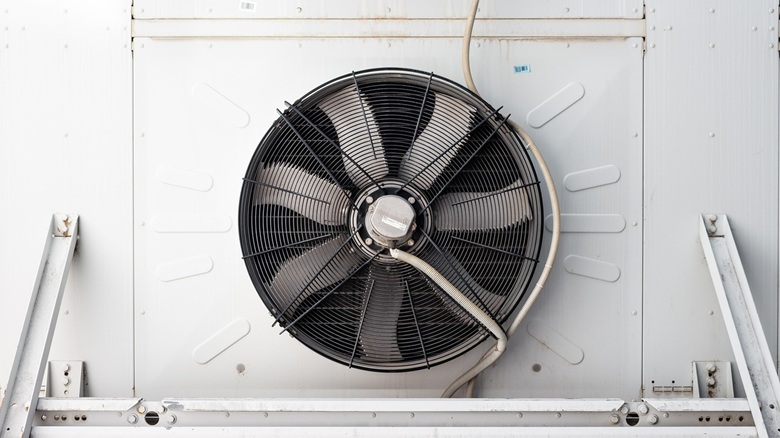

Keeping equipment cool is a make-or-break task in factories, telecom halls, as well as in medical stations. Overheating can slam the brakes on production and also crank up repair bills.
Many operations now turn to compact DC fans because the motors sip power, hush the noise, and fit into tight panels.
From factory PLCs to hospital imaging gear, one small fan can jump between jobs without a major redesign.
In the next few sections we’ll break down how these fans tick, why they matter, and where they shine. Well also highlight why ACDC FAN has won the trust of B2B buyers hungry for trouble-free cooling.
Getting to Know DC Fans
Time to keep it simple: a DC fan runs on direct current, electricity that flows one way and one way only. Inside, a brushless motor quietly twists the blades whenever you throw on some power. One nice thing is that the fan can crank out a serious breeze without needing much room.
Many modern DC units toss in bells and whistles such as:
- PWM (pulse-width modulation) for smooth speed changes.
- An FG output that sends back how fast the blades are really going.
- Rotation detection tech that shouts if the motor gets stuck.
Because they sidestep the 50 or 60 Hz wall that ties AC fans to the wall socket cycle, a DC design can hit sky-high RPMs while keeping the racket level low. Engineers love that the same setup can sip tiny watts or roar on command, which matters a lot inside racks where temp control is mission-critical.
If your shop is hunting for cool, steady airflow, ACDC FAN already stocks a full line of DC axial fans built for everyday B2B work.
Industrial Applications of DC Fans
DC fans pop up in all kinds of machines because they cool without hogging space or making too much noise. You’ll find them hiding in places most people never think about.
Industrial Automation and Control Cabinets
Control boxes stuffed with PLCs, VFDs, and dozens of sensors can cook like a kitchen stove if nobody cools them. A single low-watt DC fan can push just the right amount of air and hardly dent the power bill.
Telecommunications and Data Centers
Routers, switches, and those towering racks hum under heavy load, and they don’t get a breath of fresh air. Small-diameter DC fans spin fast enough to keep silicon from melting, even when the doors stay shut.
Medical Devices and Laboratory Equipment
Blood analyzers or microscopic cameras have ears the size of a flea, so loud rattling fans are a no-go. DC units riff softly and usually come with extra wires that shout Danger! if something stalls.
Battery and Power Management Systems
Think of electric buses that glide uphill-the batteries in those rigs need a cool head or they swell up. Speed-tweaking DC fans follow the heat, slicing power draw and letting cells last a notch longer.
Embedded Systems and IPCs (Industrial PCs)
Compact embedded systems often cook themselves without a good breeze. DC axial fans squeeze high airflow into tight boxes while shrugging off rapid swings in temperature.
Key Benefits of DC Fans for B2B Companies
Energy Efficiency
A typical DC fan sips less electricity than the older AC models still hanging around factories. Pair that with PWM speed control, and cooling power ramps up or down on the fly, trimming both bills and wasted watts.
Compact Size with High Output
DC fans fit almost anywhere, from tiny 25 mm slices to beefy 250 mm slabs that scream past 20,000 RPM. Moreover, that flexibility certainly matters when every spare inch in a rack is already spoken for.
Noise Control
The brushless design hums softly under load, and engineers can dial the speed back even further for late-night lab work. Healthcare equipment, quiet as it must be, benefits the most.
Smart System Integration
Many of these fans pack FG and RD wires that whisper back to the mainboard. Systems log the chatter along with the flag problems before a failure shuts everything down, so uptime stays high.
Customizability
Most DC fan makers, including ACDC FAN, let you tweak voltage options-choose 5V, 12V, 24V, or even 48V-along with the wiring, connectors, and control features. That freedom makes it much easier to plug the fan right into your own setup without any headaches.
Picking the Right DC Fan for an Industrial Job
B2B buyers sifting through fans for factory floors or server rooms should keep a short list of must-have specs front and center.
Airflow Needs (CFM/msup3;/h)
First up is raw airflow: how many cubic feet or cubic meters per hour do you need to keep hot parts cool? Faster-spinning fans shove more air, but they can also hum louder and eat a little extra power.
Static Pressure Headroom
If your build has filters, snug racks, or lengthy ducts, grab a fan that can muscle past that drag and still deliver a steady breeze.
Voltage and Amperage Match
Double-check what your power rail dishes out-12V and 24V show up in plenty of plants, but 5V and 48V pop up now and then, too. The amperage rating matters as well, especially in high-load situations.
Speed Control Scheme
Ask whether you want fan speed on cruise control via PWM or need a tach/readout signal to flag exactly how fast the blades are turning. That read-back feature is clutch if the system ramps the fan down when temps cool off.
Ruggedness and IP Rating
Dust, moisture, or searing heat can wreck a standard fan in no time. Look for a model boasting an IP shield or materials rated to survive the grime or spike in ambient temperature.
Safety First: Look for Certifications
Before you add a fan to your shopping cart, check for those little logos. Marks like CE, UL, and RoHS tell you the product was tested for safety and won the green light from regulators.
20 Years of ACDC FAN Engineering Wisdom
ACDC FAN has been playing in the airflow game for more than two decades. The company builds AC, DC, and EC motors that keep factories, servers, and lab gear running without a hitch.
What has kept the brand in the spotlight?
- A rainbow of voltages and diameters that fit just about any install
- Zippy brushless motors that nearly whisper while they spin
- OEM and ODM tweaks, because one size definitely does not fit all
- Sturdy IP-rated housings that shrug off dust and moisture
- Paper trails that match international rules, from CE stamps to RoHS and UL passes
Take a look at the DC axial fan lineup if you manage a plant floor. Models there offer real-time speed readouts, alarm beeps, and auto-speed tweaks to keep up with production peaks.
For spec sheets, wiring diagrams, or just decent advice, the team answers the phone and emails fast.
The full catalog is only a click away: https://www.acdcecfan.com/fr/products/dc-axial-fan
About the Author