
Health creams may be tasked with anything from moisturising dry skin to treating medical conditions. While generic ones abound, many less common health creams bring with them an ability to have very special application or effect. Here’s an overview of some more interesting varieties one might find in the market, especially worth looking into for those interested in alternative or specialised therapies.
1. Arnica cream:
The flower Arnika montana grows in Europe and Siberia and is used to prepare creams with anti-inflammatory and properties to prevent pain. These creams are usually preferred to reduce bruising, swelling, and pain following minor injuries or surgical procedures. There are many reasons this ointment is underused in regular medical treatment, especially with the more usual over-the-counter painkillers taking center stage.
2. CBD Cream:
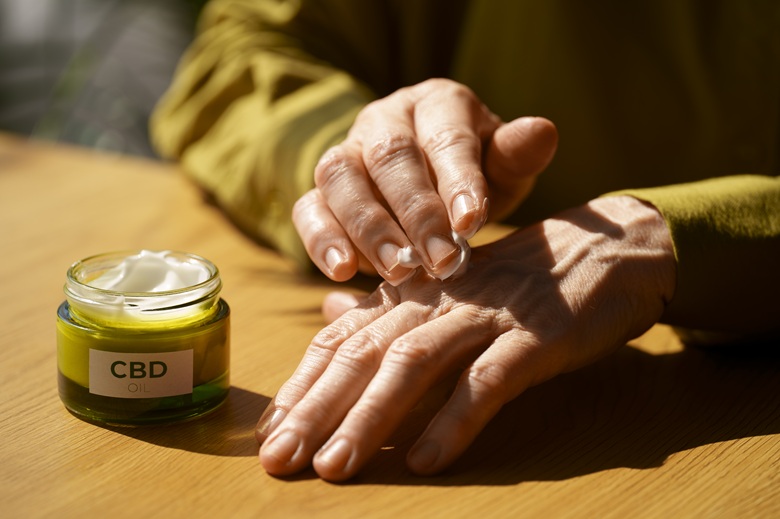
Many people speak of CBD creams as the miracle cure. Thought to have anti-inflammatory and pain-relieving properties, CBD cream, in fact, acts on several fronts. Made from cannabidiol, a compound in cannabis and hemp, the creams treat ailments such as muscle and joint pain and certain skin disorders. Anti-inflammatory activity can counteract the swelling, while soothing skin feels good when irritated or with acne. In the UK, all CBD creams must comply with stringent policy to ensure that no product contains more than 0.2% THC, which puts any such cream beyond the realm of psychoactive and thus perfectly safe and legal for use.
3. Comfrey Cream:
Comfrey cream is used for bruises, sprains, as well as for wounds; it is made from the comfrey plant, which contains allantoin, a substance that promotes the formation of new skin cells. Although the Comfrey cream remains in the halls of herbal medicine rather than in mainstream because of concerns about other compounds in the plant that may be poisonous when ingested. Nonetheless, comfrey topical application is an excellent treatment if used properly.
4. Ichthammol Ointment:
Although not a cream in the typical sense, ichthammol ointment surely deserves a mention due to its potency towards deeper skin afflictions. It is successfully employed to draw out splinters or even for the treatment of ingrown nails and boils. Its anti-inflammatory, bactericidal, and fungicidal properties place it as an efficient remedy to this family of skin afflictions, for types of which most other creams cannot compete.
5. Snail Mucin Cream:
Once the prime component in Korean beauty systems but seldom found in Western skincare, the snail mucin creams are famed for their superb regenerative powers. With glycoproteins, hyaluronic acid, and glycolic acid being their ingredients, these creams can aid in enhancing the skin texture, lessening wrinkles, and healing scars.
6. Urea Cream:
The urea cream has proven to be effective in the treatment of dry, brittle skin, which can be symptomatic of a condition like eczema or psoriasis. Urea acts like a humectant to attract moisture into the skin and also acts as an exfoliant, helping to shed dead skin cells. Whereas these qualities could be deemed beneficial for a moisturiser, urea cream is usually relegated to a less-known category.
7. Calendula Cream:
Made from the marigold flower, calendula cream heals wounds while providing anti-fungal, anti-inflammatory, and antibacterial benefits. It hence soothes eczema and even relieves diaper rash. It is very gentle and can be safely used on babies, making it one of the lesser-known treasures in skin care.
Each of these ointments is crafted as a result of the demand to resolve certain skin conditions, showing the varied applications any topical treatment can have.
They might not be found commonly on every pharmacy shelf; however, the special nature of these creams makes them invaluable to any suffering from their respective ailments. As with any health-related product, a patient should always consult a healthcare professional before trying newly recommended treatments, especially on present illnesses or chronic symptoms.
About the Author