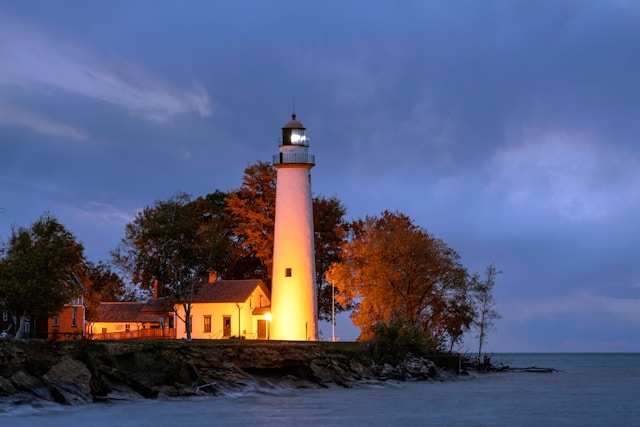

Michigan’s lighthouses have always captured the imagination of visitors and photographers alike. Standing guard along the Great Lakes, they are symbols of resilience and history. When storms roll in, these structures take on an even more dramatic presence. Capturing their strength against turbulent skies and crashing waves can result in breathtaking photographs. However, storm photography requires preparation, patience, and respect for the forces of nature. This article will guide you through the art of photographing Michigan’s lighthouses in stormy weather while keeping safety, technique, and creativity at the forefront.
Understanding the Allure of Storm Photography
Storms add a unique drama to photography. Lighthouses, already steeped in maritime history, gain an even more commanding presence when set against angry skies and relentless waves. The combination of light, movement, and texture creates photographs that feel alive. Instead of a calm postcard image, you’re capturing a story—a moment where nature and man-made structures collide in a display of power and endurance.
Choosing the Right Lighthouse to Photograph
Michigan is home to over 120 lighthouses, each with its own personality and backdrop. Some, like the Big Sable Point Lighthouse, stand on remote dunes where storms feel untamed. Others, such as the Holland Harbor Lighthouse, are closer to towns and more accessible. When deciding where to go, think about both accessibility and safety. Lighthouses on piers can provide thrilling compositions, but they may also be hazardous in stormy conditions. Land-based lighthouses often allow for safer vantage points without losing dramatic impact.
Safety First in Stormy Conditions
Photographing in stormy weather comes with inherent risks. Waves can surge higher than expected, winds can knock over equipment, and slick surfaces make footing dangerous. It is always better to shoot from a safe distance rather than risk injury. Standing on a pier during heavy surf may look tempting, but one rogue wave can sweep you off your feet. Stay aware of weather advisories, avoid restricted areas, and remember that your safety comes before the shot.
Preparing Your Gear for Harsh Weather
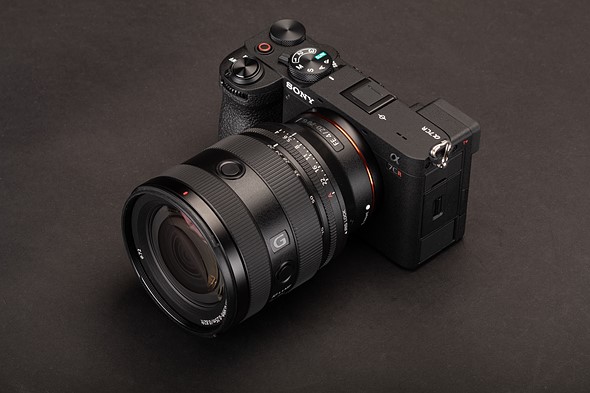
Storm conditions put your camera equipment to the test. Rain, spray, and wind all pose challenges. A waterproof camera cover or a simple rain sleeve will go a long way in keeping your gear safe. A microfiber cloth should always be on hand to wipe away water droplets from your lens. A sturdy tripod can help stabilize your shots in strong winds, but adding weight to the base can prevent it from tipping over.
Always carry extra batteries and memory cards, since storm photography often requires longer sessions to capture fleeting moments of light. If you’re changing locations during the session, remember that unique items require specialty moving. Your prized possessions deserve specialized care when moved from one place to another. Additionally, your equipment deserves that same level of attention when exposed to unpredictable weather.
Timing and Light Considerations
Storms don’t always mean darkness. Sometimes, breaks in the clouds allow beams of sunlight to spotlight a lighthouse in striking ways. Early morning and late evening provide additional drama as storm clouds meet warm hues of sunrise or sunset. Pay attention to shifting conditions. Storm light changes quickly, and being ready to adjust your camera settings on the fly is key. ISO, aperture, and shutter speed may need frequent tweaking to balance brightness and movement.

Composition Techniques for Maximum Impact
When photographing a lighthouse in stormy weather, composition is everything. Positioning the lighthouse slightly off-center often creates a more dynamic image. Use crashing waves, storm clouds, or reflections in wet surfaces to frame the structure. Wide-angle lenses can capture the expanse of the storm, while telephoto lenses allow you to zoom in on the interaction between water and tower. Leading lines, such as piers, fences, or pathways, help guide the viewer’s eye toward the lighthouse, enhancing the sense of depth and drama.
Capturing Motion in Water and Sky
Storm photography thrives on movement. Long exposure techniques can turn crashing waves into misty swirls around the base of a lighthouse, creating a surreal effect. Alternatively, fast shutter speeds can freeze the spray mid-air, capturing the raw force of the storm. Clouds, too, play a role. A slow shutter speed can create streaks of motion across the sky, emphasizing the storm’s intensity. Experiment with both approaches to see which best matches the mood you want to convey.
Protecting Yourself from the Elements
While your camera may have weatherproofing, you need protection as well. Layering waterproof clothing, wearing non-slip boots, and carrying gloves can keep you comfortable in tough conditions. Staying warm and dry helps you remain focused and patient, which is essential for storm photography. Bringing a thermos of hot coffee or tea can turn a long, wet wait into something more manageable. The key is preparation—if you’re distracted by discomfort, you’ll miss the fleeting moments of magic a storm provides.
Embracing the Storytelling Aspect
Every storm is different, and so is every photo opportunity. Think beyond the postcard shot and tell a story. Perhaps it’s the way the lighthouse beams cut through rain, or how seagulls battle the wind above turbulent waters. Maybe it’s the aftermath—the rainbow that follows or the soaked pier left in eerie silence. Your images become more powerful when they capture not just a structure, but the emotional weight of the storm itself.
Respecting the History of Michigan’s Lighthouses
Michigan’s lighthouses are more than just photographic subjects; they are historic landmarks that have guided ships for centuries. Each one has stories of shipwrecks, heroic keepers, and lives saved. Approaching your photography with respect for this history adds depth to your work. A stormy backdrop underscores the very reason these towers were built in the first place: to stand strong against the elements and keep mariners safe.

When Nature Meets Personal Reflection
Many photographers describe stormy lighthouse sessions as meditative. The rhythm of waves, the howl of wind, and the sight of a solitary tower create an atmosphere that is both humbling and inspiring. Standing in front of such power reminds us of resilience and endurance. In a way, photographing a lighthouse in a storm is as much about capturing your personal experience as it is about capturing the scene itself.
Editing to Highlight Storm Drama
During the post-processing, you will be able to emphasize the drama of storm photography. Increasing contrast can make storm clouds pop, while adjusting clarity brings out the texture of waves and spray. Be cautious not to over-edit, as natural storm light is already dramatic. Subtle adjustments often create the most powerful results. Cropping may also help if distractions creep into your frame, ensuring the lighthouse remains the hero of the story.
Your Unforgettable Experience
Photographing Michigan’s lighthouses in stormy weather is an unforgettable experience. The combination of history, resilience, and the raw power of nature makes for images that carry weight and emotion. While the technical aspects of gear, composition, and timing are important, the heart of storm photography lies in respect for the weather, for the subject, and for your own safety. When you prepare properly and embrace the unpredictability of the elements, the results can be nothing short of breathtaking. Each storm tells a different story, and each photograph preserves a moment where a lighthouse and storm meet in timeless beauty.
Discover more from GottaPics
Subscribe to get the latest posts sent to your email.
About the Author