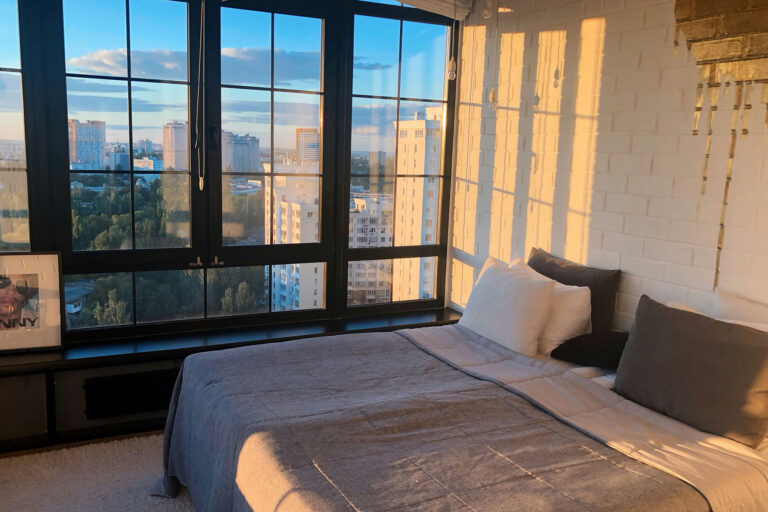
Whether you’re traveling for leisure or work, poor sleep can completely shift your experience. It’s not just about feeling tired, it impacts your mood, energy, and ability to actually enjoy where you are.
If you’ve ever landed somewhere beautiful only to feel completely drained, you’re not alone. Over the years, I’ve learned that sleep while traveling isn’t something you leave to chance it’s something you prepare for.
Here are 7 effective, realistic tips to help you sleep better while traveling and actually feel good on your trip.
1. Prepare Your Mind Before You Leave
Travel anxiety is real and it often starts before you even step on the plane. Overthinking logistics, timelines, and expectations can quietly disrupt your sleep days in advance.
I always recommend starting your mental prep at least 2–3 days before your trip. Map out your itinerary, visualize your days, and get clear on what to expect. When your mind feels organized, your body follows.
Travel tip: A calm, prepared mind = better sleep both before and during your trip.
2. Pack Sleep Essentials That Actually Help
Your environment changes constantly when you travel, so creating your own sense of comfort is key.
A few essentials I never travel without:
- Eye mask (for instant darkness anywhere)
- Noise-canceling earbuds or headphones
- A supportive travel pillow
- A lightweight blanket or wrap
- CPAP machine (if needed for sleep apnea)
These small items make a huge difference especially on long haul flights or unfamiliar hotel rooms.
3. Limit Screen Time Before Bed
It’s tempting to scroll endlessly in a new destination—but this is one of the fastest ways to disrupt your sleep.
Blue light from your phone suppresses melatonin (your sleep hormone), making it harder to fall asleep even if you’re exhausted.
Try this instead:
Put your phone away at least 30–60 minutes before bed. Read, journal, or just unwind quietly.
4. Be Mindful of Caffeine Intake
I say this as someone who loves an iced coffee but caffeine while traveling can really work against you.
It stimulates your system, increases cortisol, and can throw off your sleep cycle, especially when you’re already adjusting to a new time zone.
If you’re struggling with sleep:
- Avoid caffeine in the afternoon
- Skip energy drinks entirely
- Opt for herbal tea or water instead
5. Dress for Comfort, Not Style (At Least While Traveling)
Airport outfits matter more than we admit.
Tight jeans, structured pieces, or anything overly styled can keep your body in “alert mode.” Comfort signals your body to relax.
My go-to:
- Loose layers
- Soft fabrics
- Sneakers
- A cozy scarf or jacket
You’ll feel the difference immediately, especially on longer travel days.
6. Sync With the Local Schedule ASAP
One of the best ways to beat jet lag is to lean into your destination’s rhythm.
- Eat meals at local times
- Get sunlight during the day
- Stay awake until a normal bedtime
Even a short walk outside can help reset your internal clock faster than you think.
7. Consider Natural Sleep Support
If you’ve tried everything and still can’t sleep, supplements can help but keep it simple and mindful.
Common options include:
- Melatonin
- Magnesium or Vitamin B6
- L-theanine or herbal blends (like valerian or passionflower)
Always check what works best for your body and with your doctor before trying these.
Travel is meant to feel inspiring, not exhausting. The truth is, good sleep doesn’t just happen on the road—you have to create the conditions for it.
When you start treating rest as part of your travel experience (not an afterthought), everything shifts. You feel better, experience more, and actually enjoy where you are.
And that’s the whole point.
Disclaimer: The content on this blog is for informational purposes only. I make no guarantees about the accuracy, completeness, or reliability of any information provided. Opinions are my own. Some links may be affiliate links, meaning I may earn a commission at no extra cost to you. Always verify details before making travel or financial decisions.
About the Author